The Garden
The Sant’Angelo complex includes a garden of about 1,000 m², made accessible through restoration and enhancement works carried out in 2025 thanks to European funds from the NextGenerationEU-PNRR program.
This garden is a broad green space conceived as both an educational area and a place of relaxation and contemplation, where visitors are welcomed at the entrance by two monumental cedar trees. The plantings reflect local rural tradition and support wildlife (frugivorous birds and pollinating insects). The olive tree, represented here in three varieties, is one of the symbols of the Cortona landscape. Maple, mulberry, and elm – still common along the edges of cultivated fields – were once “married” to the vine, serving as living supports that dotted our countryside; the mulberry also provided leaves for raising silkworms. Elder and cornelian cherry have a long history of uses thanks to their versatility: infusions, jams, juices, various handicrafts, dye products, and more.
Finally, the holm oak, an evergreen oak rich in sacred and symbolic meaning. This resilient tree, placed at the center, is held in a symbolic “embrace” by vegetation from across the world. Around it, five beds host species characteristic of the five continents, planted among aromatic herbs from the local tradition. In a time of deep divisions and destructive selfishness, this symbolic layout is meant as a sign of hope – a single great “flower” of peace and respect for nature and life.
Insights
Moneti Herbarium: L’arte ad imitazione della natura
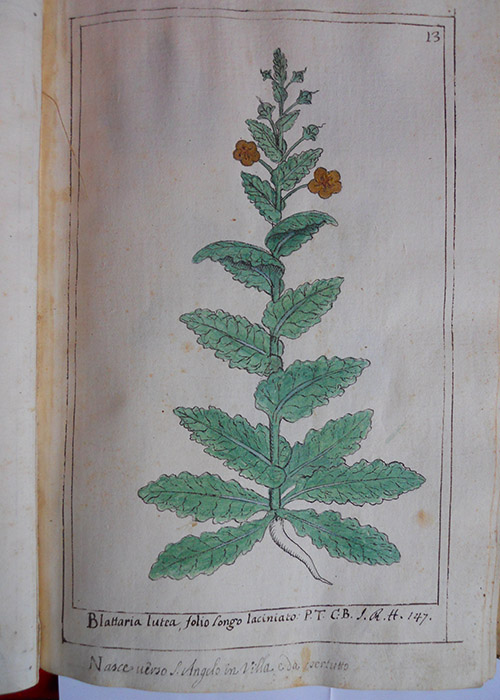
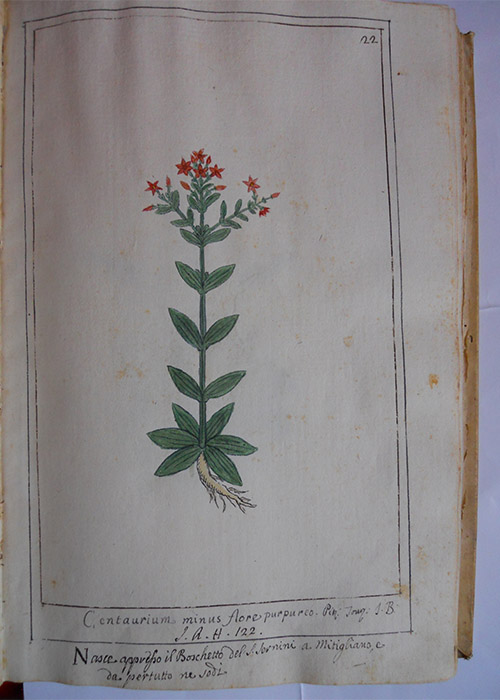
Ars naturam fingens is the Latin title of Mattia Moneti’s herbarium. The three manuscripts, completed respectively in 1732, 1738, and 1755, do not contain dried specimens, but rather 338 tempera figures that faithfully reproduce 313 species, ordered and named according to Tournefort’s method.
The image generally fills the entire page, and although the drawing may appear rigid, it is not without charm and, above all, it shows details that reveal the trained eye of the botanist Moneti.
Not infrequently, the wild plants are accompanied by notes regarding the places in the Cortona territory where they were found.
The Botanical Society of Cortona
Although advanced in age, yet as a mark of gratitude, Mattia Moneti was appointed the first director of the Botanical Society of Cortona, which was established within the Etruscan Academy of Cortona.
The celebrated Academy, founded in 1727, did not limit itself to the study and collection of antiquities: in addition to holding a natural history collection in its museum, it also pursued the study of botany – cultivating species through Filippo Venuti, one of its leading figures.
Thus, in 1754 the Cortonese Botanical Society was instituted with the aim of studying plants, natural history, and partly also agriculture, in order to combine the useful with the pleasurable.
It adopted a Statute and a botanical garden, located outside the city walls near what is now Porta Bifora, and Filippo Venuti served as its first president.
The Botanical Academy, however, did not have a long life: twenty years after its establishment it had not yet published any contribution and there was no longer any trace of activity.
Members of the Cortonese Botanical Academy
According to the custom of academies, the Botanical Society of Cortona conferred upon each new member a patente, that is, the diploma confirming admission. The library of the Etruscan Academy still preserves the patente of Jean Baptiste Roynel, described as a “most diligent collector of herbs and plants”.
The document bears the date 14 November 1757 and carries both the Academy’s motto, “Flores mei fructus honoris et honestatis”, and the Society’s seal, represented by a palm.
The species of the garden
Select the species
Field maple
Agapanthus
Calafate
Bottlebrush
Atlas cedar
Wild cherry
Common dogwood
Morus alba
Common juniper
Holm oak
Frantoio olive tree
Leccino olive tree
Olive tree (local)
Moraiolo olive tree
Pendolino olive tree
Field elm
Tea plant
Black pizzutello
Black elder
The species of the garden
Select the species
Field maple
Agapanthus
Calafate
Bottlebrush
Atlas cedar
Wild cherry
Common dogwood
Morus alba
Common juniper
Holm oak
Frantoio olive tree
Leccino olive tree
Olive tree
Moraiolo olive tree
Pendolino olive tree
Field elm
Tea plant
Black pizzutello
Black elder
Field maple
Acer campestre
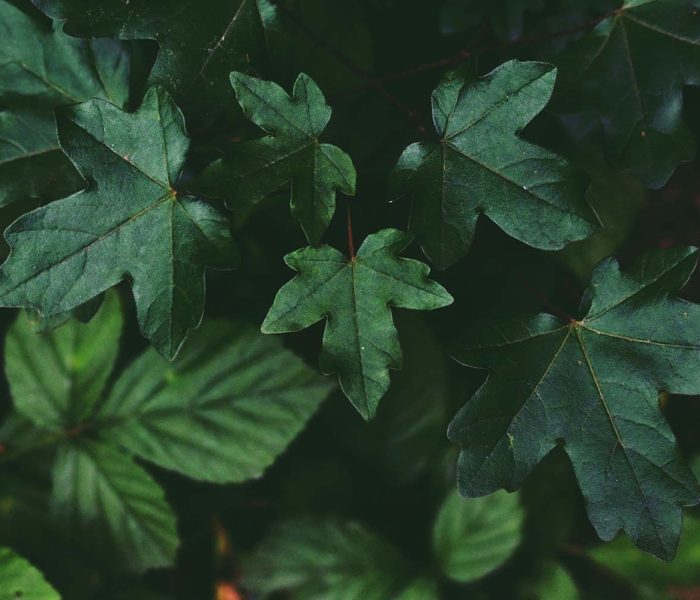
Habit: A medium-sized tree, typically reaching 15 m in height. With a compact, rounded crown, it can reach 6–8 m in diameter.
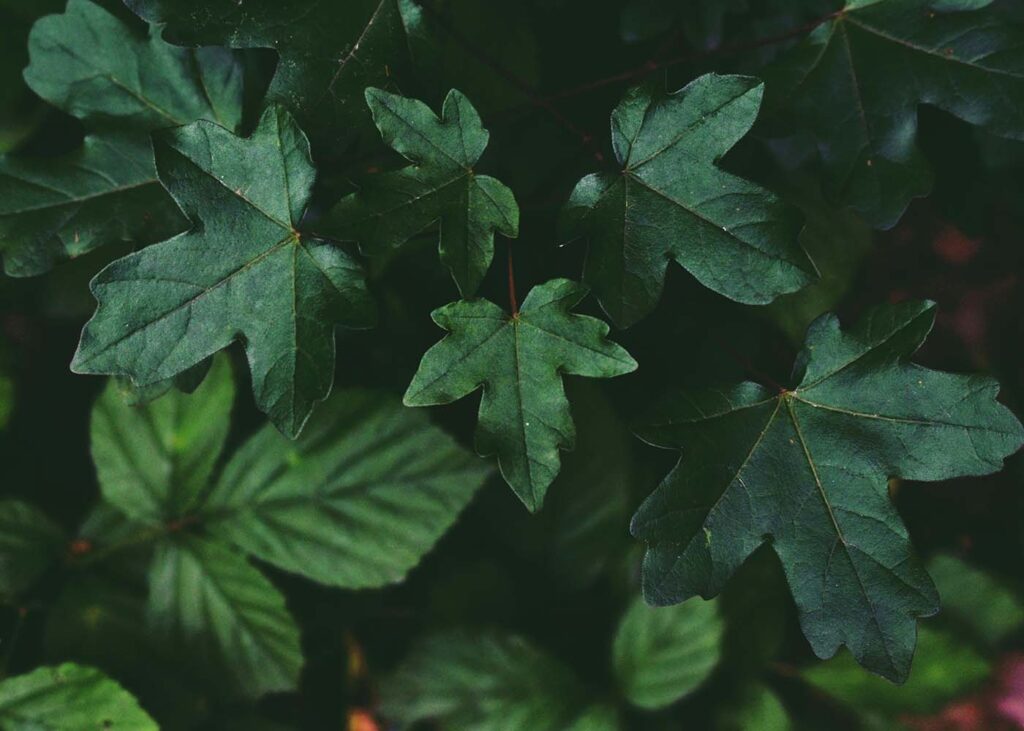
Leaves: Rather small (8–10 cm) and deciduous: they fall in autumn and renew in spring, when they are replaced by new leaves. Palmate, with three or five lobes. Bright green, they turn golden in autumn, creating a highly decorative look.
Flowering: The flowers form elongated, upright inflorescences. Yellow-green, they develop in April–May. They may be unisexual or hermaphroditic: the same flower can bear both male and female reproductive organs. Rich in nectar, they are an irresistible draw for bees and other pollinating insects.
Fruits: They develop into structures called samaras (dry, compressed and flattened fruits containing a single seed). Like small propellers, they are about 5–6 cm long. Thanks to their elongated wings, they are dispersed by the wind, aiding propagation.
Historical uses: Ideal for hedges. Leaves and shoots were used as fodder for domestic animals. Particularly interesting is the traditional training system known as “married vines”, with a history of about 3,000 years: field maple was widely used as a living support for grapevines, forming the classic spiral or row-trained vines. In areas once inhabited by Etruscans and Celts, this association is often called the “Etruscan vine” or “Etruscan-Celtic vine”. Probably originating in Liguria, this technique spread especially in Liguria, Tuscany, Umbria, Emilia-Romagna, Veneto and parts of Campania.
Interesting facts: In the past, in many European localities it was common to place maple branches on doors and windows to ward off bats, unfairly considered bearers of bad luck. In classical mythology the maple was associated with Phobos, the god-personification of fear who accompanied his father Ares, god of war, into battle. Field maple is considered a symbol of friendship, loyalty and generosity, especially in rural settings.
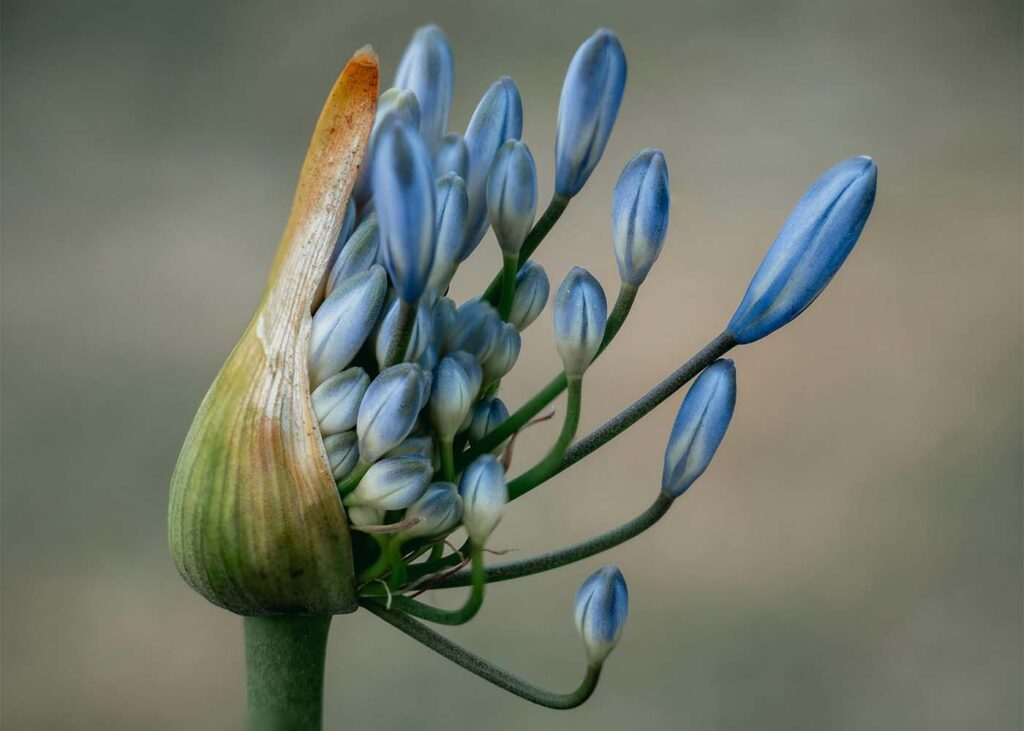
Agapanthus
Agapanthus sp.
Origin: Africa, especially South Africa.
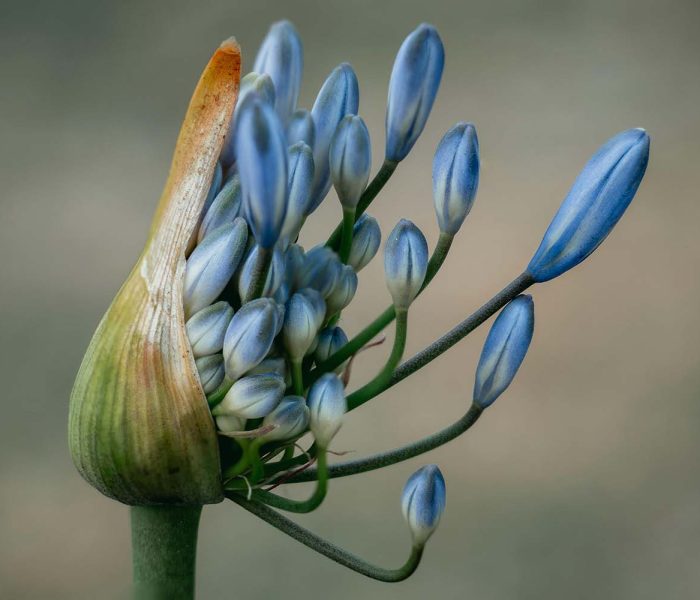
Habit: Upright and slender, with a distinctive clump-forming appearance; it usually reaches 60 cm to 1 m in height.
Leaves: Long, strap-shaped, tapered and pointed; 40–80 cm long. They have a waxy texture and feel tough, resilient and smooth to the touch.
Flowering: Unmistakable for their trumpet shape, the flowers come in different colours: white, purple, light blue or blue (in the flowerbed varieties present here – Agapanthus africanus var. “Blue Flare” and Agapanthus africanus var. albus – you can observe blue and white). Not strongly scented, they give off a delicate fragrance much appreciated by bees, butterflies and other pollinating insects.
Fruits: The fruit is a capsule that ripens after the flowers fade; inside are the seeds, used for sowing and propagation.
Historical uses: Historical uses of agapanthus focus mainly on its medicinal properties and the tribal rites of South Africa’s indigenous peoples. Particularly interesting is the fertility ritual: among the Xhosa (a South African ethnic group of Bantu origin), it was common to use the agapanthus root like a necklace around the necks of pregnant women to promote fertility and gestation and to ward off the risk of complications. Also in South Africa, the Zulu considered the plant a remedy for paralysis and heart ailments. Beyond traditional medicine, agapanthus was widely used by indigenous peoples in various magical rites.
Interesting facts: Its common name, “agapanthus”, etymologically means “flower of love”: it derives from the Greek agape (love) and anthos (flower). In folk traditions of some cultures, the plant is associated with longevity, strength and determination. In the first two or three years of life it may sometimes not flower, focusing its energy on root development. Notably, it has influenced the world of art: agapanthus inspired famous artists, including Monet, who painted it in his work “Agapanthus”, exhibited at the MoMA in New York.
Herbs in the flowerbed: marjoram and rosemary
Marjoram (Origanum majorana) is a perennial aromatic herb. About 30–60 cm tall, it often has a bushy habit. Native to North Africa and Central Asia, it is now widespread across the Mediterranean. In Italy it grows everywhere, preferring uncultivated ground and roadsides. It belongs to the Lamiaceae (mint) family, which includes aromatic species such as sage, thyme, mint and rosemary. Light green on both surfaces, the leaves are oval, velvety and lance-shaped; they are 1–2 cm long and up to 1 cm wide. Their delicate aroma makes them perfect for flavouring meats, fish, vegetables, roasts, sauces and seasonings without overpowering the dish. The white-pink flowers form pedunculate spikes. They open from June to September and are hermaphroditic: each flower bears both male and female reproductive organs. Small and delicate, they attract numerous pollinating insects. Used in phytotherapy, marjoram has many properties: digestive, antispasmodic, anti-inflammatory, antibacterial and calming; infusions are often recommended for gastrointestinal problems.
The prostrate rosemary (Salvia rosmarinus ‘Prostratus’) present here is a rosemary variety with a creeping or groundcover habit. Unlike the upright form, it stays low, spreading along the ground or cascading over walls. It belongs to the Lamiaceae family and, like common rosemary, is typical of the Mediterranean Basin, preferring sunny, well-drained environments, often near cliffs or rocky slopes. The leaves are narrow and needle-like (2–3 cm), dark green on the upper surface and silvery-white on the underside. The flowers, in spikes of light blue or lilac, appear from spring to late summer and are hermaphroditic: each flower bears both male and female reproductive organs. These small flowers attract many pollinating insects. Prostrate rosemary retains the same beneficial properties as the upright variety: it is antiseptic, soothing, diuretic, strengthening and tonic, and is used as a natural remedy for asthma, fatigue, high cholesterol, memory disorders, and more.
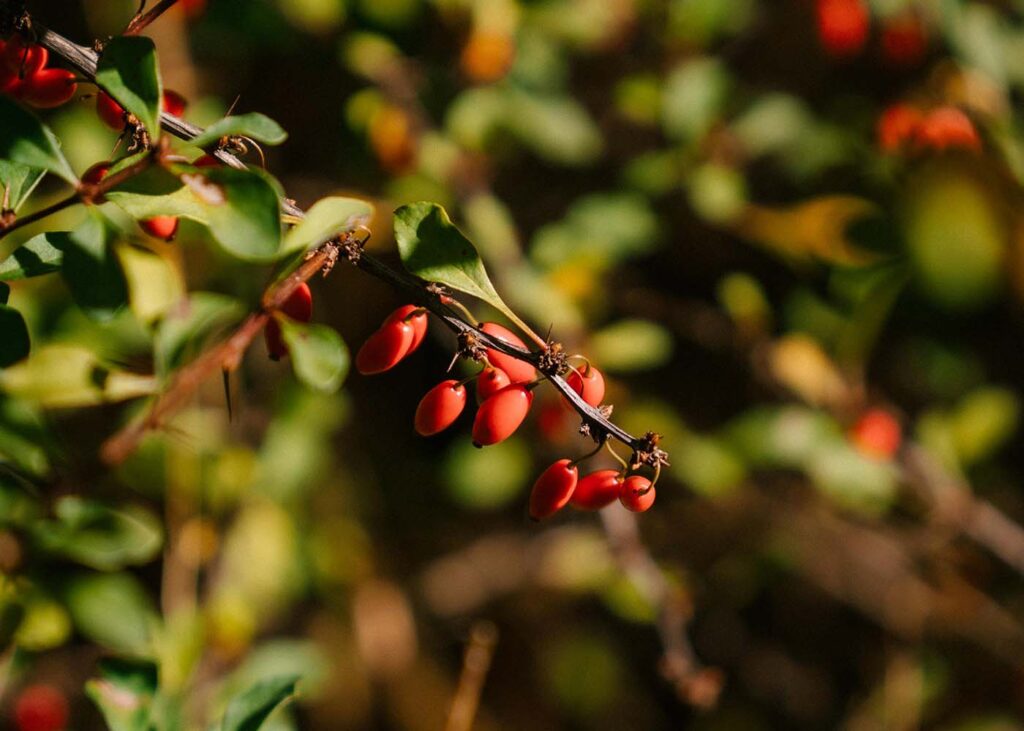
Barberry
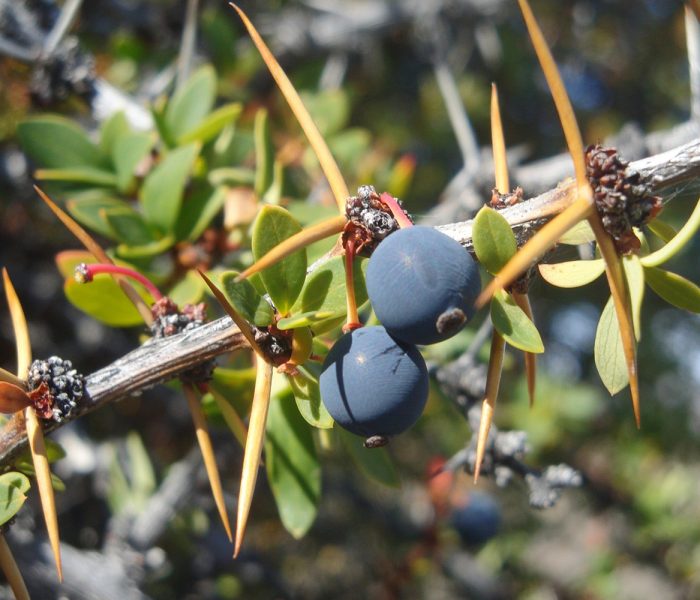
Berberis microphylla
Origin: South America, especially Patagonia and Tierra del Fuego (Argentina and southern Chile).
Habit: An evergreen, thorny shrub, highly branched with a bushy appearance. Modest in size, it is generally up to 1 m tall, sometimes reaching 2–3 m.
Leaves: Small and lanceolate, with pointed tips. They are characterised by thorny points and a dark green colour.
Flowering: Small yellow-orange flowers, usually hermaphroditic: each flower bears both male and female reproductive organs. Very decorative, they develop between April and May. Not strongly scented, but their aroma nevertheless attracts many pollinating insects.
Fruits: The fruits are berries: fleshy fruits in which all layers have a soft, juicy consistency. Spherical and blueberry-like, their colour ranges from dark blue to purple. They are 1–2 cm in size, edible, and ripen in September–October.
Historical uses: This plant has many historical uses, mostly tied to folklore and the popular traditions of Patagonia and Tierra del Fuego. The berries have long been eaten for their pleasant flavour and are also used to make jams, syrups, desserts and liqueurs. In medicine, the berries have been widely used for digestive disorders and valued as disinfectants for skin conditions such as eczema and dermatoses. They were once commonly used for their sedative effects and as urinary-tract antiseptics. Local Patagonian populations have employed calafate for centuries in many therapeutic treatments: diabetes, cholesterol reduction, inflammation, fever and gastrointestinal problems.
Interesting facts: Indigenous peoples used the bark both as a dye and for its hallucinogenic effects. The long thorns on the branches and the glossy, resilient leaves make calafate an ideal plant for creating impenetrable hedges. According to a famous Patagonian folk legend, whoever eats the berries of the calafate will never be able to separate from that land and will always be destined to return; tasting them would leave a kind of “imprint” such that the traveller falls deeply in love with the region and will come back again and again – becoming, as the tale says, a “slave without chains”.
Herbs in the flowerbed: thyme and rosemary
Thyme is present here in several species and varieties: common thyme, lemon thyme and variegated lemon thyme. Common thyme (Thymus vulgaris) has small, elongated grey-green leaves covered with fine hairs. Whitish, pinkish or lilac, the flowers are hermaphroditic: each flower bears both male and female reproductive organs. Lemon thyme (Thymus citriodorus), as the name suggests, has a distinct lemon fragrance. Variegated lemon thyme (Thymus citriodorus variegatus) is similar to citriodorus, but with variegated leaves, often with pale margins. Thyme leaves are valued in cooking for their characteristic aroma and are used to flavour meats, fish, legumes, soups and vegetables. Thanks to their tasty nectar, the flowers irresistibly attract bees, bumblebees, butterflies and many other pollinating insects. In the past, thyme was used in the painted decoration of tombs. Numerous traces of this essence have been found in the remains of Stone Age fires: it was probably burned for its fragrance and as an insect repellent.
The prostrate rosemary (Salvia rosmarinus ‘Prostratus’) present here is a rosemary variety with a creeping or groundcover habit. Unlike the upright form, it stays low, spreading along the ground or cascading over walls. It belongs to the Lamiaceae family and, like common rosemary, is typical of the Mediterranean Basin, preferring sunny, well-drained environments, often near cliffs or rocky slopes. The leaves are narrow and needle-like (2–3 cm), dark green on the upper surface and silvery-white on the underside. The flowers, in spikes of light blue or lilac, appear from spring to late summer and are hermaphroditic: each flower bears both male and female reproductive organs. These small flowers attract many pollinating insects. Prostrate rosemary retains the same beneficial properties as the upright species: it is antiseptic, soothing, diuretic, strengthening and tonic, and is used as a natural remedy for asthma, fatigue, high cholesterol, memory disorders, and more.
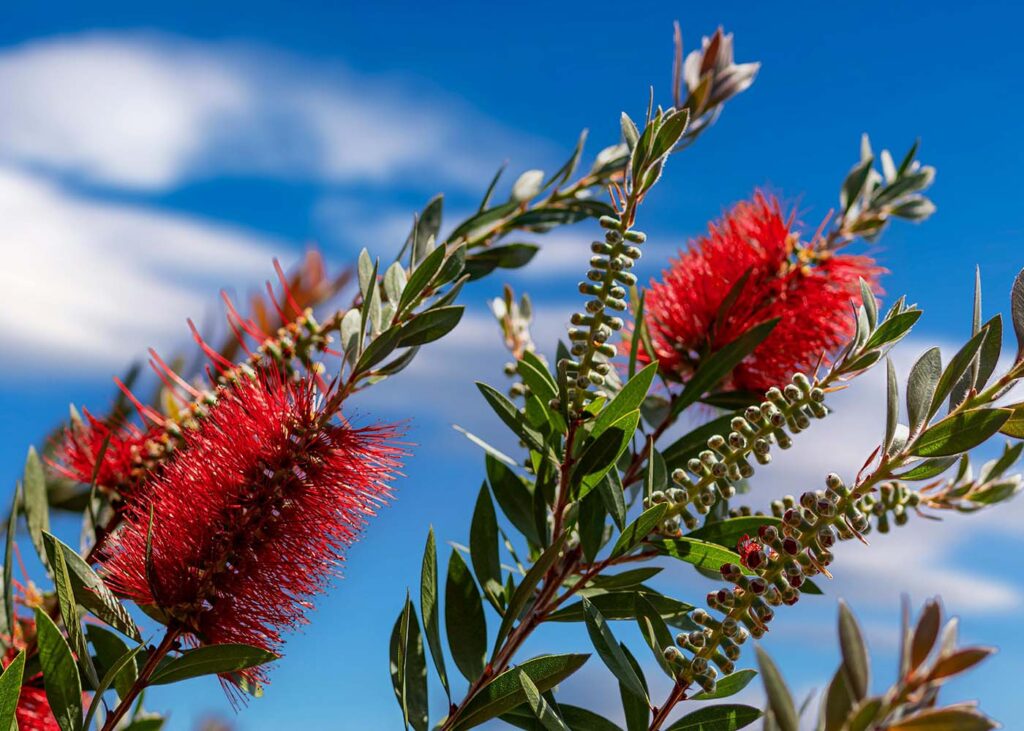
Bottlebrush
Callistemon citrinus (Callistemon lanceolatus, oggi in disuso)
Origin: Australia
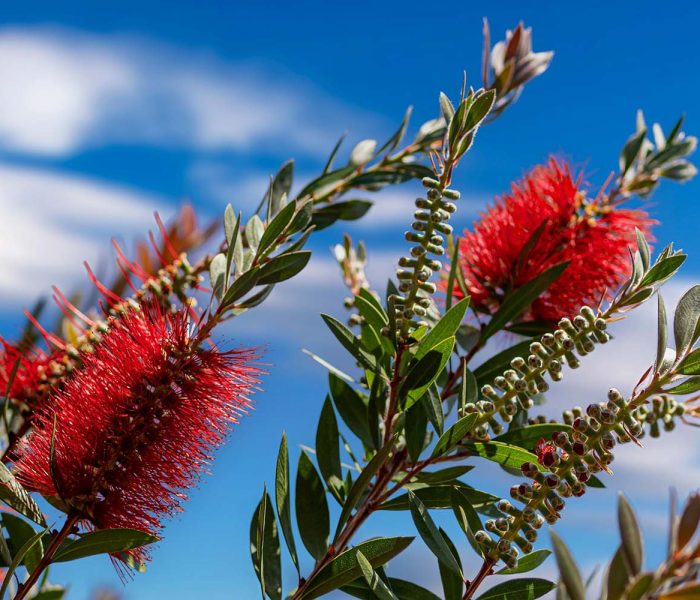
Habit: An evergreen shrub; in open ground it is typically 2–3 m tall, sometimes reaching 4 m. Dense and rounded, the crown can spread to 2–3 m. The branches arch and droop.
Leaves: Lanceolate, with pointed tips. They feel velvety to the touch due to fine hairs on both surfaces. A vivid deep green, they release a light lemon aroma when rubbed – hence the species epithet citrinus.
Flowering: Cylindrical and fluffy, the inflorescences are about 18 cm long. Unmistakable for their bottlebrush shape, they are generally scarlet red, pink, orange or yellow. They bloom from May to July.
Fruits: Woody, cup-shaped capsules containing seeds. They have a “lid” at the top and do not open spontaneously; they open only when the twig dries out or is detached.
Historical uses: Historically, the leaves were used by Australian Aboriginal peoples to prepare a medicinal tea. They contain aromatic essential oils that can be used to make perfumes. Because of its striking decorative flowers, today callistemon is used mainly as an ornamental garden plant. However, in 1977 a biologist discovered that its roots synthesise a natural compound with herbicidal properties. The formula of this substance was later used to produce synthetic chemical herbicides. Biologists noticed that under callistemon plants, weeds were scarce; they investigated and uncovered the reason: the plant produces a natural substance – leptospermone – that interferes with the development of other plants. The synthesis of analogous substances led to the discovery of mesotrione, a herbicide used especially in maize.
Interesting facts: Native to Australia, it arrived in Europe in 1771, introduced by Joseph Banks, the English naturalist who accompanied James Cook on his first voyage to Oceania. Its characteristic scarlet, bottlebrush-like flowers are an irresistible lure for bees, butterflies and other pollinators, making a valuable contribution to biodiversity. The name Callistemon comes from Greek and means “beautiful stamen” (kalòs, “beautiful”, and stémon, “stamen”). The epithet citrinus refers to the scent of the leaves: when crushed, they smell like lemon. In Italian it has various common-name synonyms, such as “bottlebrush plant”, “red brush” and similar variants.
Herbs in the flowerbed: peppermint and rosemary
Peppermint (Mentha piperita) is a perennial herbaceous plant, a natural hybrid between Mentha aquatica and Mentha spicata. It grows 40–80 cm tall, with an upright, bushy habit. It belongs to the Lamiaceae (mint) family, which includes species such as sage, thyme and rosemary. Native to Europe, it is now widely cultivated worldwide for its properties and aroma. In Italy it is found in various regions, from sea level up to about 1,000 m. The leaves are dark green, oval-lanceolate, with serrated margins and covered with a slight down. The flowers are small, ranging from white to pink-purple, and grouped in a terminal spike. They generally bloom between June and September and are hermaphroditic (bearing both male and female reproductive organs). They are much appreciated by bees and other pollinators. Its aroma is intense, fresh and pungent, due to a high menthol content. Highly versatile, it is widely used to enrich herbal teas, drinks, cocktails and desserts; it is also excellent in savoury cooking, for flavouring sauces and salads. It has many therapeutic properties: digestive, antispasmodic, carminative, antiseptic and analgesic, and is often used to relieve cold symptoms and headaches. It is also an effective oral antiseptic.
The prostrate rosemary (Salvia rosmarinus ‘Prostratus’) present here is a rosemary variety with a creeping or groundcover habit. Unlike the upright form, it stays low, spreading along the ground or cascading over walls. It belongs to the Lamiaceae family and, like common rosemary, is typical of the Mediterranean Basin, preferring sunny, well-drained environments, often near cliffs or rocky slopes. The leaves are narrow and needle-like (2–3 cm), dark green on the upper surface and silvery-white on the underside. The flowers, in spikes of light blue or lilac, appear from spring to late summer and are hermaphroditic: each flower bears both male and female reproductive organs. These small flowers attract many pollinating insects. Prostrate rosemary retains the same beneficial properties as the upright variety: it is antiseptic, soothing, diuretic, strengthening and tonic, and is used as a natural remedy for asthma, fatigue, high cholesterol, memory disorders, and more.
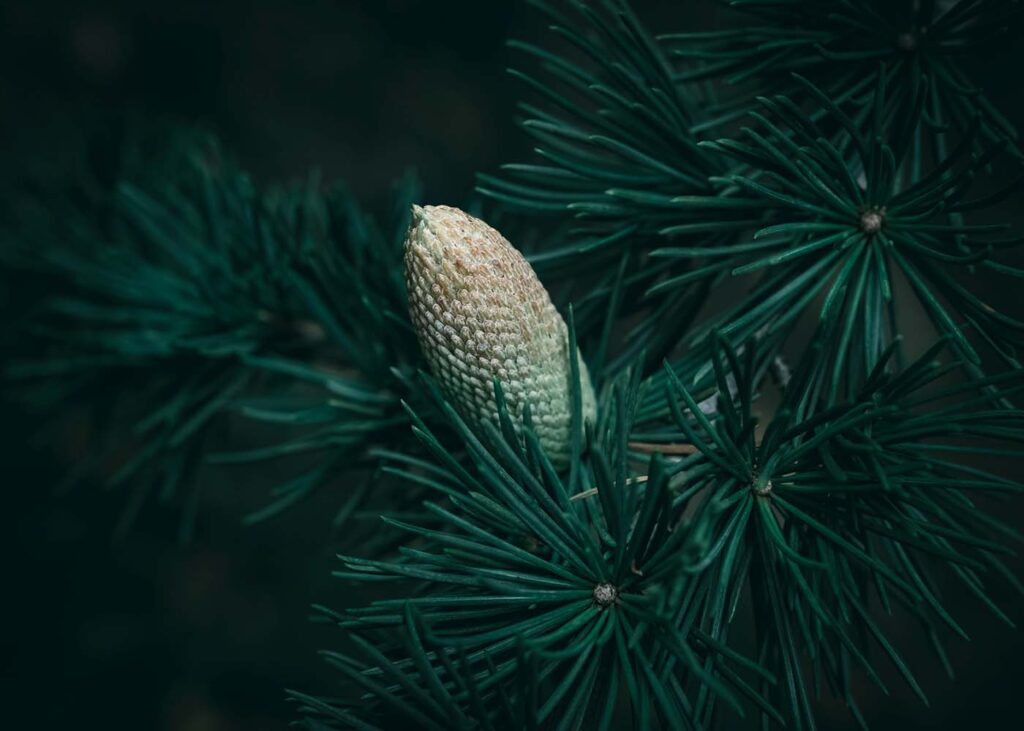
Atlas cedar
Cedrus atlantica
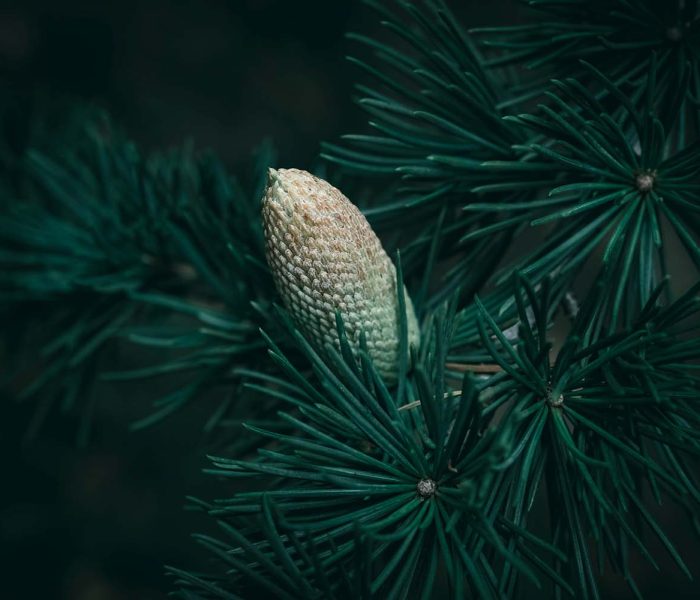
Habit: A coniferous tree. Imposing in size, it can reach 45 m in height and about 1.5 m in trunk diameter. When young it has a pyramidal habit; as it matures it expands horizontally.
Leaves: Evergreen. Needle-like and about 2 cm long, the needles remain on the plant for three years. Silvery grey-blue, they vary according to age.
Flowering: Like all conifers, it does not have true flowers but sexual structures called sporangia. A monoecious species: each plant bears both male (micro)sporangia producing pollen and female (macro)sporangia containing the ovule.
Fruits: The fruits are strobili (the reproductive structures of conifers, commonly called cones). After fertilisation, the female sporangia develop into mature woody cones which, after three years, disintegrate and release winged seeds, spreading the species.
Historical uses: Native to the Atlas Mountain range (North Africa), it has an extremely rich history of uses, both in North Africa and across the Mediterranean. These include embalming, shipbuilding, ornamental objects, medicinal uses, cosmetics, herbal remedies and spiritual practices. The ancient Egyptians used its resin and essential oil in preparing the dead, to prevent decay.
Interesting facts: Since antiquity it has held an important symbolic role. In the Bible and Christian tradition it is widely depicted as a symbol of strength, wisdom and integrity; it was used to build the Temple of Jerusalem and other major works. Introduced into Italy in the 19th century, it has become widespread as an ornamental tree in parks and gardens: thanks to its evergreen “garment” and imposing habit, it always takes centre stage. Very long-lived, it can easily exceed 500 years.
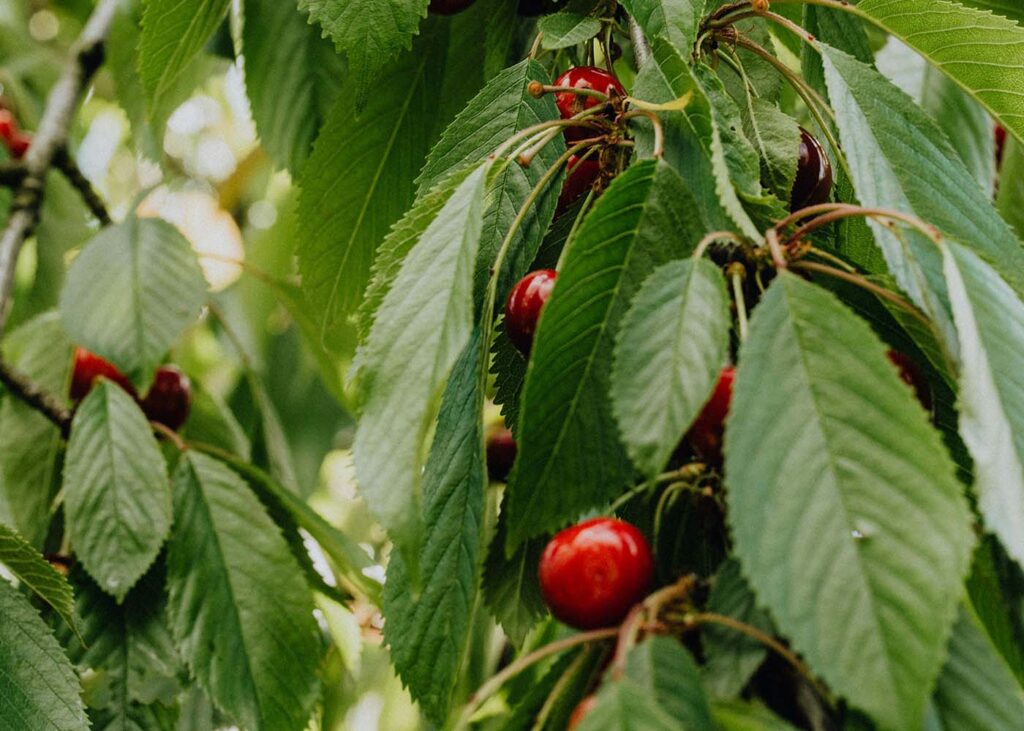
Wild cherry
Prunus avium
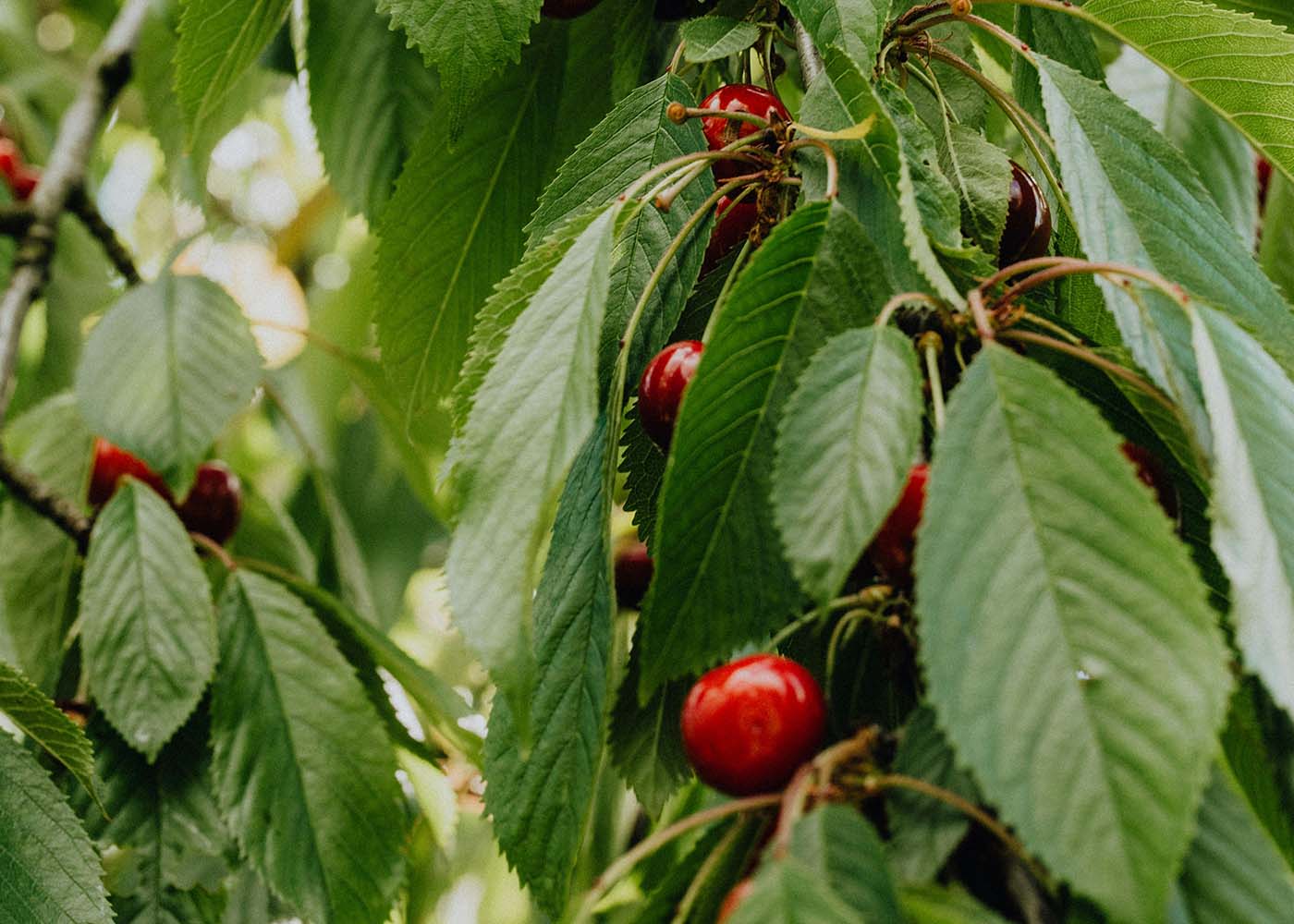
Habit: A tree species with a pyramidal crown and upright branches. It is on average about 10 m tall, but can sometimes reach 20 m.
Leaves: Oval and pointed, with serrated margins. They are deciduous: they fall in autumn and renew in spring, when they are replaced by new leaves. The upper surface is green; the underside is lighter and downy.
Flowering: Its splendid blossoms make the cherry tree one of the most beautiful trees in our hilly landscape. White or pink, the flowers are highly fragrant and hermaphroditic: each flower bears both male and female reproductive organs.
Fruits: The fruits are drupes (fleshy fruits with a thin skin and a woody stone containing a single seed). Spherical and usually dark red, they may take on different colours, flavours and shapes depending on the variety. They ripen from mid-May to mid-July.
Historical uses: The cherry tree has an extremely rich past in terms of uses across many fields: food, medicine, traditional woodworking, and symbolism. The earliest evidence of cherry consumption seems to date back about 5,000 years and was found in Asia Minor. The wild cherry is the ancestor of the many cultivated varieties grown today; it is currently widely used in reforestation projects.
Interesting facts: Its scientific name (Prunus avium) means “birds’ plum”: the fruits are much loved by birds, which, after feeding, spread the plant by dispersing the seeds in their droppings. In Greek mythology, the cherry tree was sacred to Aphrodite, the goddess of beauty and love. In the past, planting a cherry tree was considered a sign of good luck and happiness; love declarations made beneath a flowering cherry tree were believed to be destined to last forever.
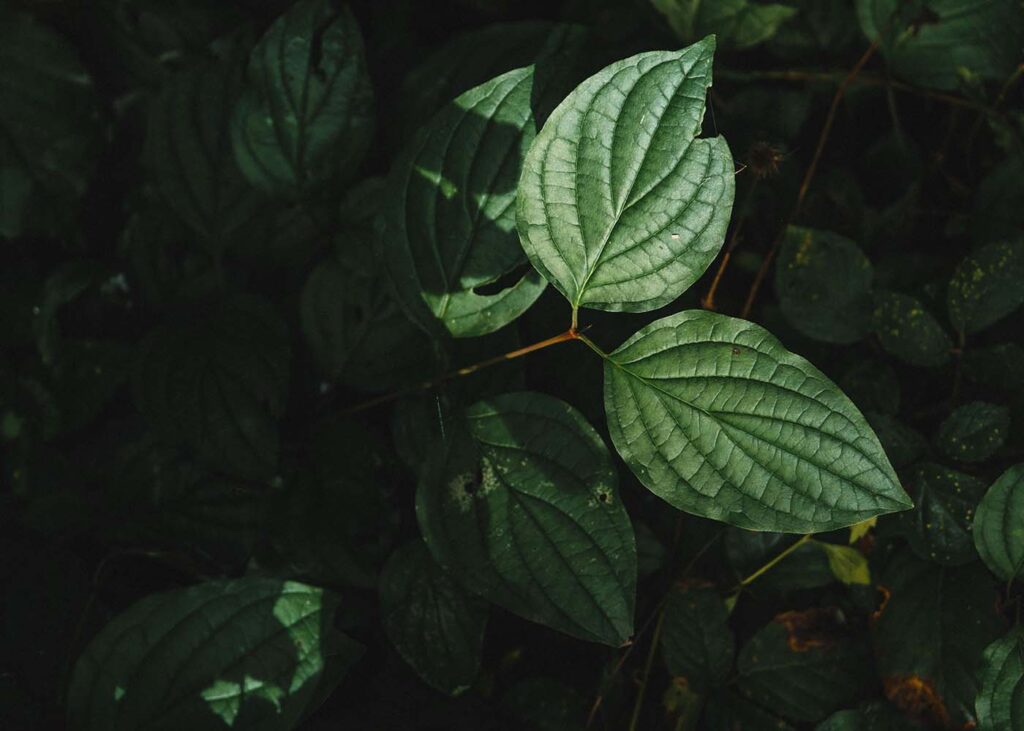
Common dogwood
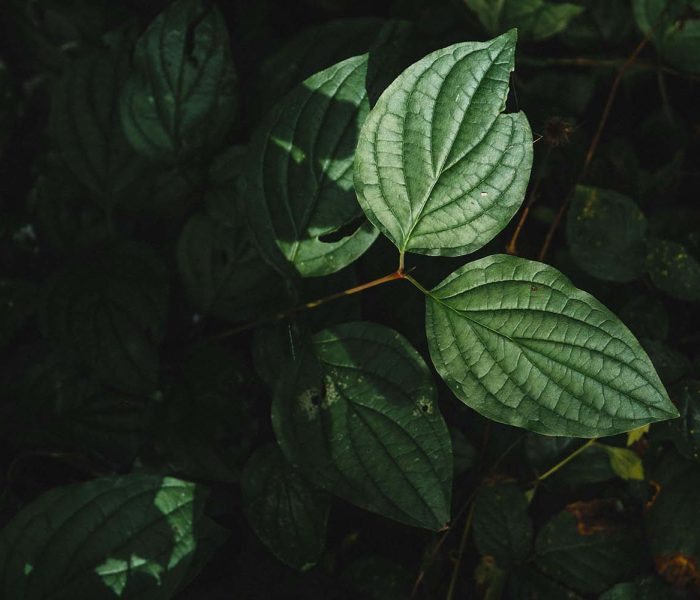
Cornus sanguinea
Habit: A shrub species, widespread and common; it reaches a height between 2 and 5 m.
Leaves: Oval in shape, with veins strongly curved towards the pointed tip. In autumn, the foliage turns violet-toned.
Flowering: Greenish-white flowers appear in late spring. They are hermaphroditic: each flower bears both male and female reproductive organs. Unpleasant to our sense of smell, their scent is highly attractive to many insects.
Fruits: The fruits are drupes (fleshy fruits with a thin skin and a woody stone containing a single seed). Black-bluish and bitter, they are eagerly eaten by blackbirds, thrushes and starlings, which disperse the seeds and propagate the plant.
Historical uses: This species has a rich history of uses. The wood was used to make long-lasting objects and tools: handles, wheel spokes, mill gears, and more. The branches were used to make baskets and brooms. In medieval medicine, bark and leaves were often used to treat gout. In the 17th century, “sorcerers” used bark, seeds and pith to prepare magical potions.
Interesting facts: It is fundamental to the life cycle of some butterflies. Among them are the green hairstreak (Callophrys rubi) and the holly blue (Celastrina argiolus): their caterpillars use it as a host plant, feeding on its leaves until metamorphosis. Its common Italian name refers to a curious feature: when exposed to the sun, its branches turn reddish, which does not happen when they grow in the shade of the woods.
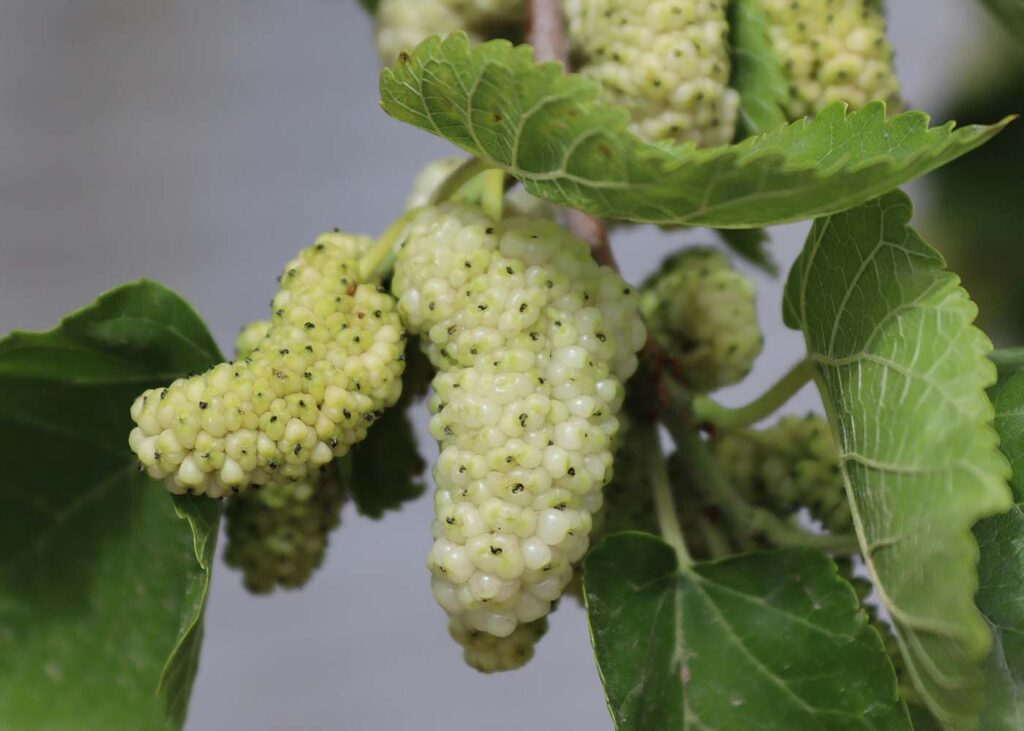
Morus alba
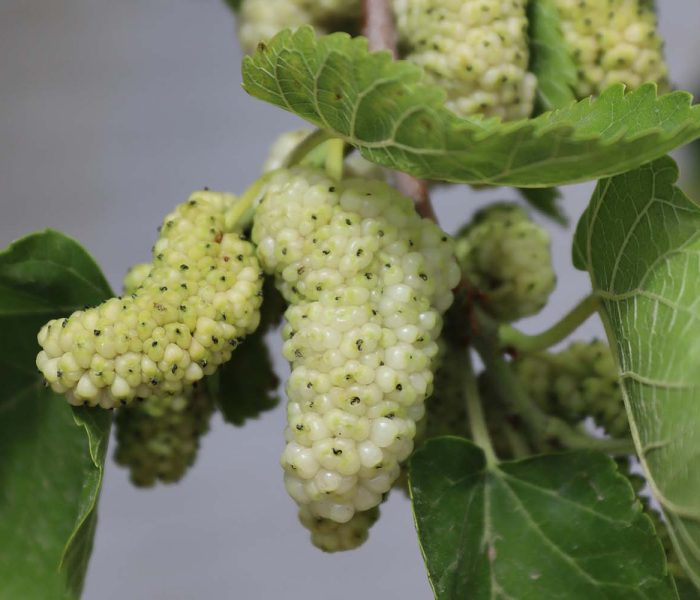
Morus alba
Habit: A deciduous tree (its leaves fall in autumn and renew in spring). Medium-sized (up to 10–15 m), with a broad, rounded crown.
Leaves: Broad and heart-shaped. In white mulberry they are often lobed; in black mulberry they are rougher and thicker. They are deciduous: they fall in autumn and renew in spring, when they are replaced by new leaves.
Flowering: It flowers in spring, producing small, inconspicuous flowers. It may be monoecious (male and female flowers on the same plant) or dioecious (male and female flowers borne on separate individuals).
Fruits: Similar to a blackberry, the fruit is a multiple fruit (an infructescence): a cluster of many small fruits that develop together from a single inflorescence.
Historical uses: Native to China and India, it later spread and became naturalised in many countries around the world, including the United States, Mexico, Argentina, Iran, Iraq and Turkey. It was introduced to Tuscany in the Middle Ages for silkworm rearing: its leaves are the main food source for the larvae of the silkworm (Bombyx mori).
Interesting facts: The mulberry is deeply tied to rural culture and historical sericulture, and is often found along field boundaries and rural roads, especially in Tuscany, Veneto and Emilia-Romagna. Without mulberry, sericulture is impossible: silkworms feed exclusively on its leaves. In the 19th century, sericulture was crucial in many Italian regions; it lasted until the 1950s, when it was undermined by the introduction of synthetic fibres.
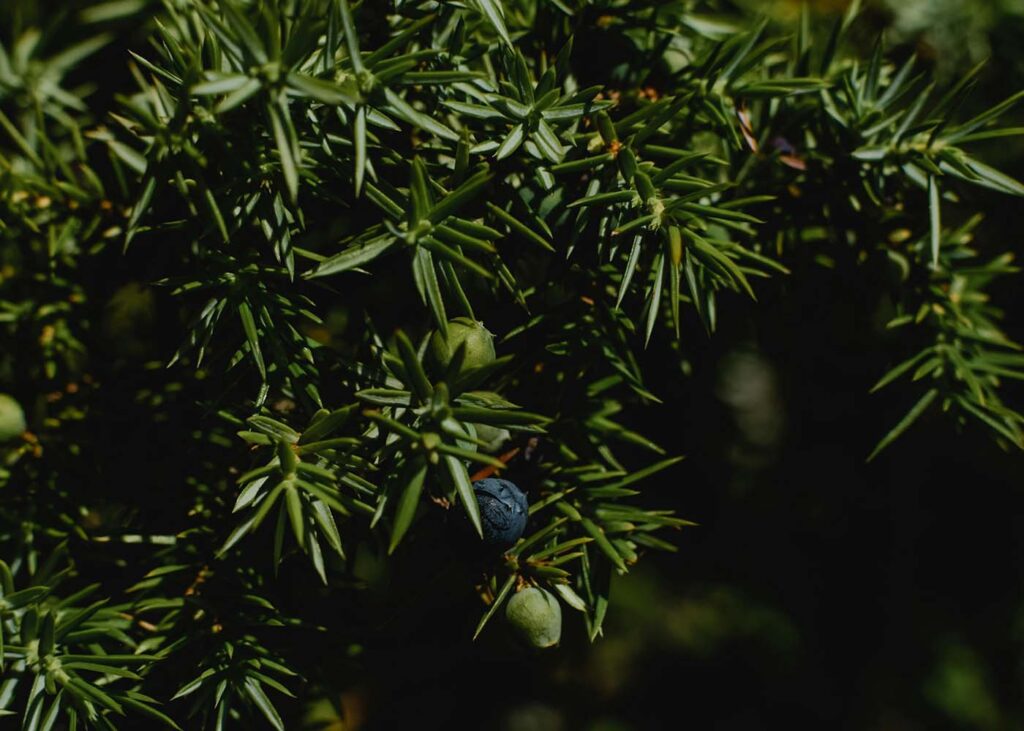
Common juniper
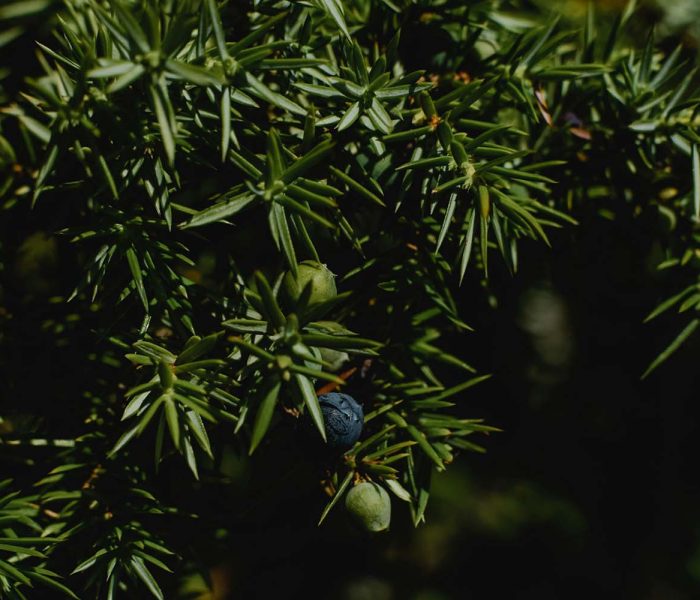
Juniperus communis
Origin: Europe
Habit: It appears as a large shrub or a small tree. A small-to-medium conifer, very long-lived; it usually reaches 8–10 m in height.
Leaves: Evergreen. Needle-like and 1–2 cm long, the leaves are linear and prickly. Light green when young, they become dark green, almost bluish, at maturity.
Flowering: Like all conifers, it does not have true flowers but sexual structures called sporangia. A monoecious species: each plant bears both male (micro)sporangia producing pollen and female (macro)sporangia containing the ovule.
Fruits: The fruits are strobili (reproductive structures) that, in juniper, do not take the classic cone shape but instead form fleshy spheres called galbuli (juniper “berries”). They contain three seeds and are greenish in the first year, then turn black-bluish when fully ripe.
Historical uses: Juniper has a very rich history of uses across many fields (medicine, cuisine, magic, protective practices, and more). The earliest evidence of juniper use dates back to prehistory, as shown by charcoal remains from burning the plant. The first recorded use of juniper for its properties, however, dates to the time of the pharaohs: together with mint, Florentine iris, cardamom, cassia and cinnamon, it was used to create ancient Egyptian incense. The galbuli were once used to treat rheumatism and urinary tract infections. The ancient Egyptians also used berries (including juniper “berries”) and essential oils, widely employed in the embalming process.
Interesting facts: Widely used in distilling, its galbuli are the main ingredient in gin and other spirits. It is said that, during their hasty flight from Herod, Joseph, Mary and the infant Jesus found refuge behind a juniper plant. Staying with biblical themes, some legends claim that Jesus’ Cross was made from juniper wood. The ancient Romans and other peoples attributed to juniper the power to drive away demons, witches, snakes and other wild animals. Another ancient practice was burning its wood to disinfect and purify indoor spaces. Juniper fruits have long been used in cooking, especially for roasts and game.
Herbs in the flowerbed: oregano and rosemary
Oregano (Origanum vulgare) is a perennial herb. About 30–60 cm tall, it is common in stony areas, dry meadows and along the edges of hedgerows and woodland margins. It belongs to the Lamiaceae (mint) family, which includes aromatic species such as sage, thyme, mint and rosemary. The leaves are oval-elongated and rounded at the base, with a smooth surface. Pinkish, reddish, white-pink or purple, the flowers are arranged in spikes. They bloom from June to September and are hermaphroditic: each flower bears both male and female reproductive organs. Small and delicate, they attract butterflies and many pollinating insects. Virgil recounts that when Venus, the goddess of love, brought Ascanius with her, she laid him on a bed of oregano. For this reason the plant has long symbolised happiness, and it was customary to crown newlyweds with its garlands. It was also believed to soothe anguish, restlessness and pain: gifting oregano is like sending this auspicious message to a friend or loved one – “Your troubles are over!”.
The prostrate rosemary (Salvia rosmarinus ‘Prostratus’) present here is a rosemary variety with a creeping or groundcover habit. Unlike the upright form, it stays low, spreading along the ground or cascading over walls. It belongs to the Lamiaceae family and, like common rosemary, is typical of the Mediterranean Basin, preferring sunny, well-drained environments, often near cliffs or rocky slopes. The leaves are narrow and needle-like (2–3 cm), dark green on the upper surface and silvery-white on the underside. The flowers, in spikes of light blue or lilac, appear from spring to late summer and are hermaphroditic: each flower bears both male and female reproductive organs. These small flowers attract many pollinating insects. Prostrate rosemary retains the same beneficial properties as the upright variety: it is antiseptic, soothing, diuretic, strengthening and tonic, and is used as a natural remedy for asthma, fatigue, high cholesterol, memory disorders, and more.
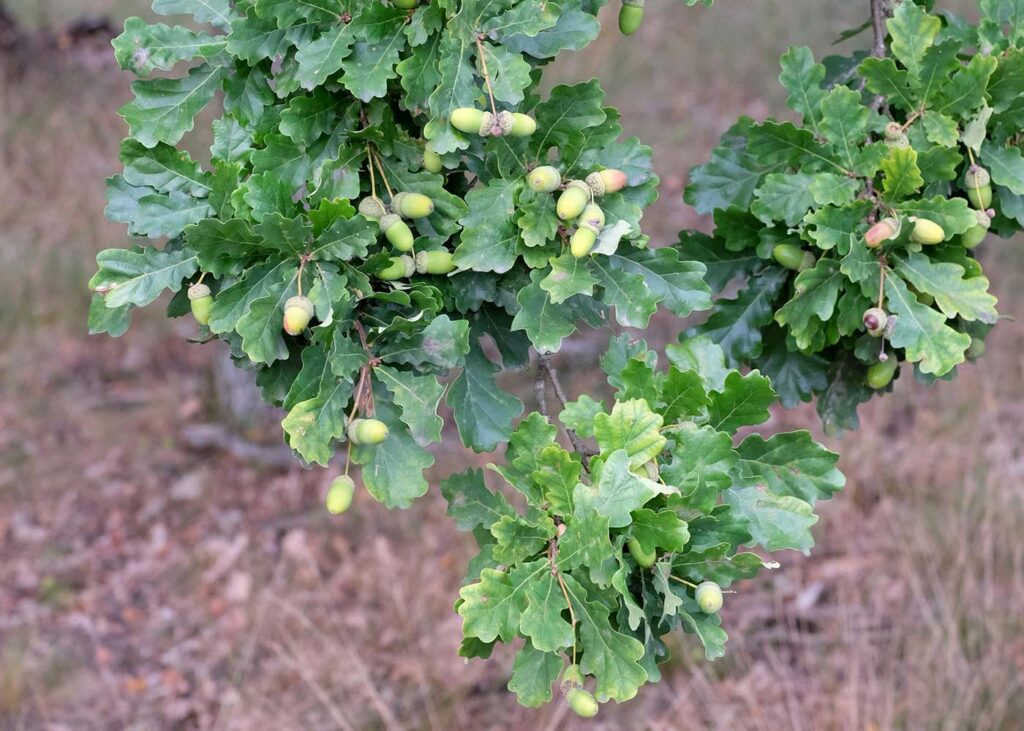
Holm oak
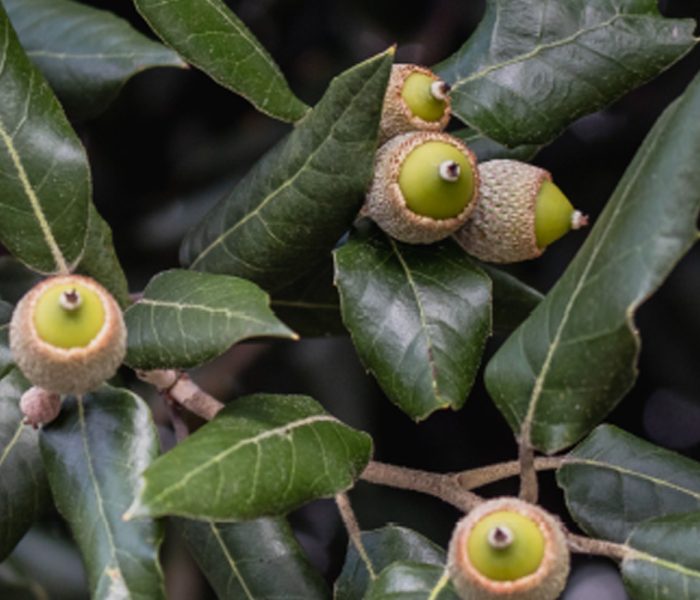
Quercus ilex
Habit: Majestic and imposing, it can exceed 20 m in height, reach 2 m in trunk diameter, and live up to 1,000 years.
Leaves: Hard and very resilient. They are evergreen, oval or lanceolate. The upper surface is dark green; the underside is greyish.
Flowering: The plant is monoecious and produces inflorescences (clusters of flowers arranged so as to appear as a single unit). The flowers are unisexual (they have the reproductive organs of only one sex). It flowers from spring into summer.
Fruits: The fruit (acorn) is oval and is enclosed for about one-third by a cupule of pale scales. It is described here as an achene: a dry, single-seeded fruit with a rigid wall not adhering to the seed. It ripens in autumn.
Historical uses: In the Renaissance it was widely used both as an ornamental tree in gardens and to create tall hedges. For centuries its acorns were a favourite feed for pigs, giving rise to the popular saying, “the pig dreams of the acorn” – in other words, we always dream of what we desire most.
Interesting facts: It can form pure woodland stands (holm-oak forests), or be found in coastal and sub-coastal Mediterranean maquis shrublands together with mastic, myrtle, cork oak, strawberry tree and many other evergreen Mediterranean species. Since ancient times it has been considered a symbol of prosperity, strength, long life, perseverance and dignity, and in many ancient cultures it embodied these virtues.
herbs in the flowerbed: lavender
Lavender (Lavandula angustifolia) is an evergreen perennial shrub. Native to the Mediterranean, it belongs to the Lamiaceae (mint) family, which includes aromatic species such as sage, thyme, mint and rosemary. It has an upright habit; it is on average about 50 cm tall, but can reach 1 m. Narrow and elongated (sometimes pointed), the leaves are dark green with greyish tones. The flowers are blue-violet and arranged in spikes; they are hermaphroditic, meaning each flower bears both male and female reproductive organs. Once used for personal care, its dried flowers are now used to protect wardrobes and drawers from moths; lavender is also valued in cosmetics and natural medicine.
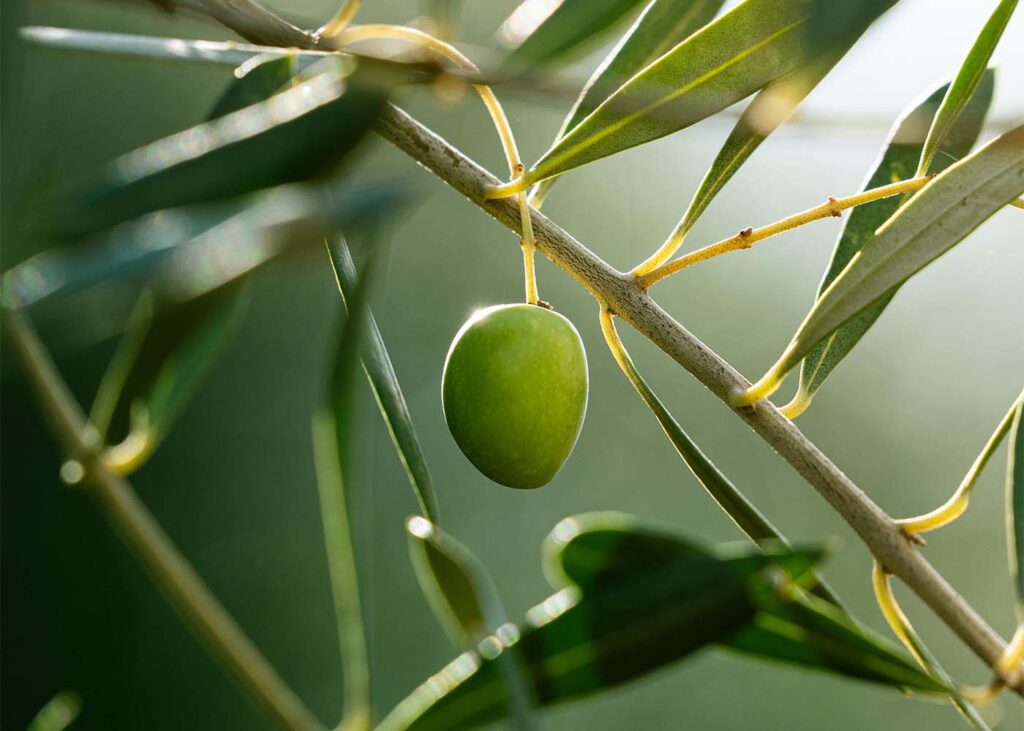
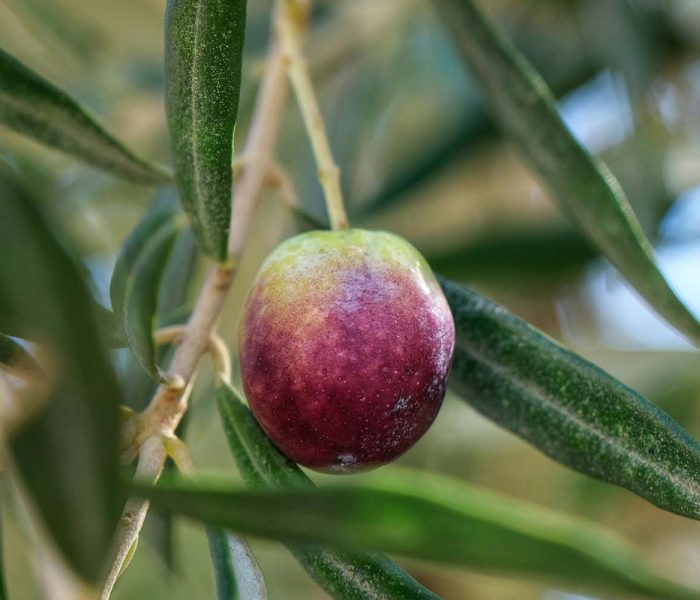
Frantoio olive tree
Olea europaea 'Frantoio'
Habit: Medium-sized evergreen, it can reach about 10 m in height. It is characterised by an upright habit, an expansive canopy and knotty branching.
Leaves: Robust and resilient. The upper surface is dark green; the underside is paler and lighter.
Flowering: The flowers are small and white. Grouped in clusters, they are usually hermaphroditic: each flower bears both male and female reproductive organs.
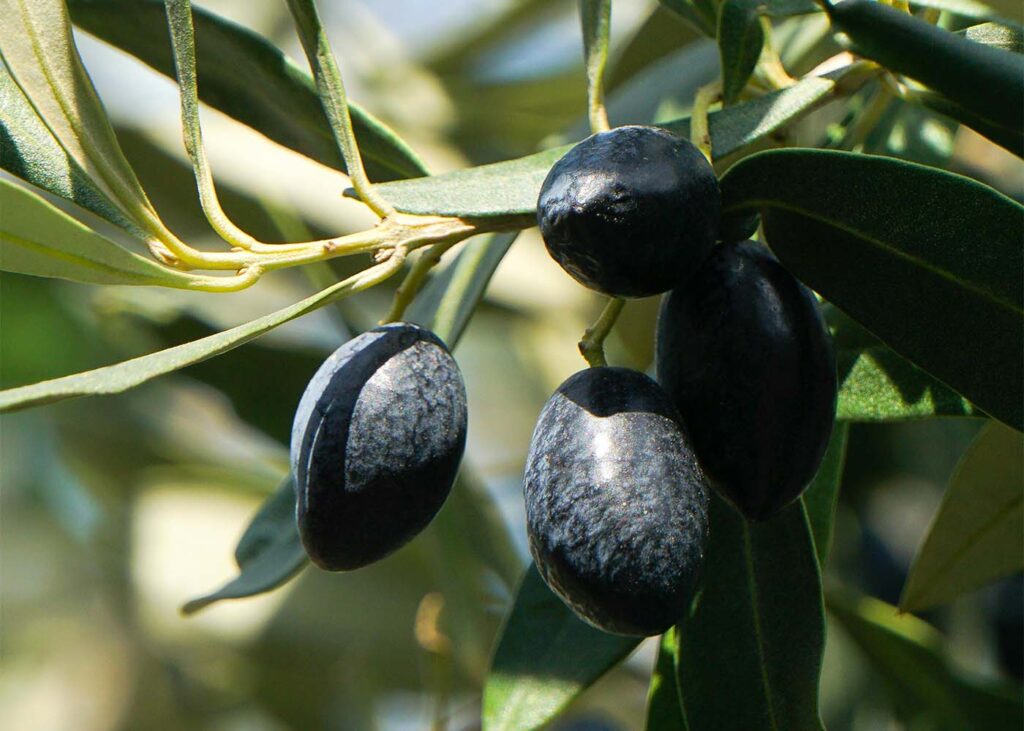
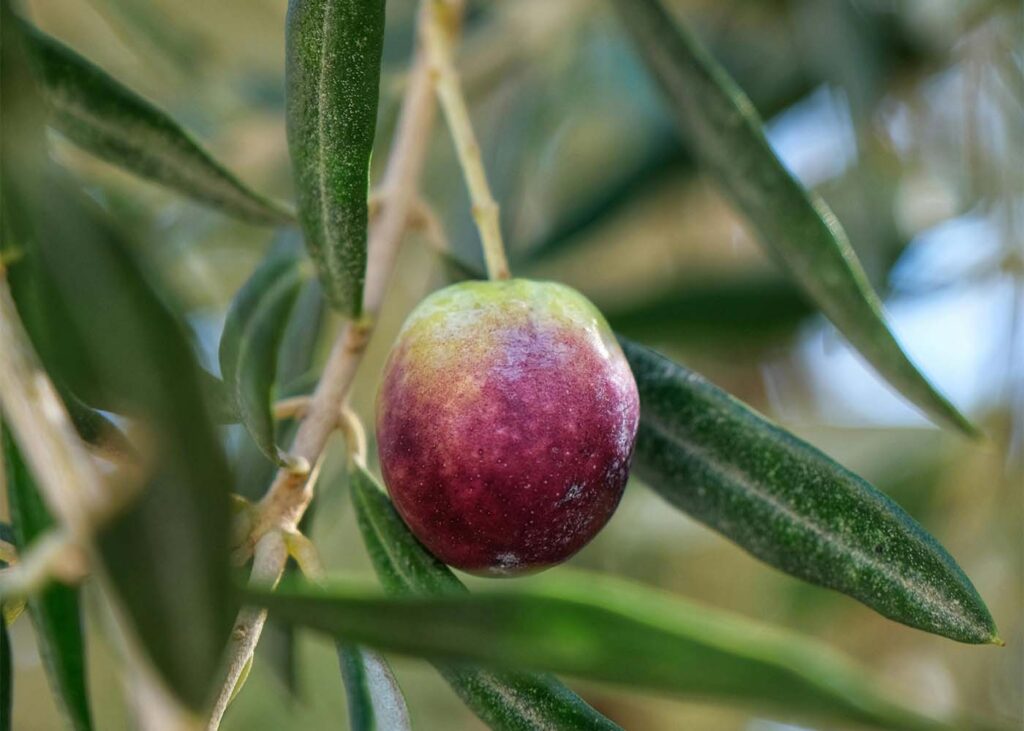
Fruits: The fruits are drupes (fleshy fruits with a thin skin and a woody stone containing a single seed). Oval and medium-sized, the olives turn green-purple when fully ripe. They are harvested in November and used to produce table olive oil.
Historical uses: The olive tree has an exceptionally rich history of uses across many fields. Since antiquity, olive oil has been a staple for food, cosmetics, lighting, and religious rites. In particular, oil was regarded as sacred and closely linked to spirituality; seen as a symbol of peace and worth, it was widely used in religious ceremonies, such as anointing in Christian sacraments.
Interesting facts: This variety, of Tuscan origin, has now spread throughout Italy. It is very robust and resistant to the olive fruit fly: when grown together with other varieties in the same grove, the fly tends to attack the other cultivars first, sparing the Frantoio. Frantoio is self-fertile: it can self-pollinate and set fruit using its own pollen. It is also an excellent pollinator for other varieties.
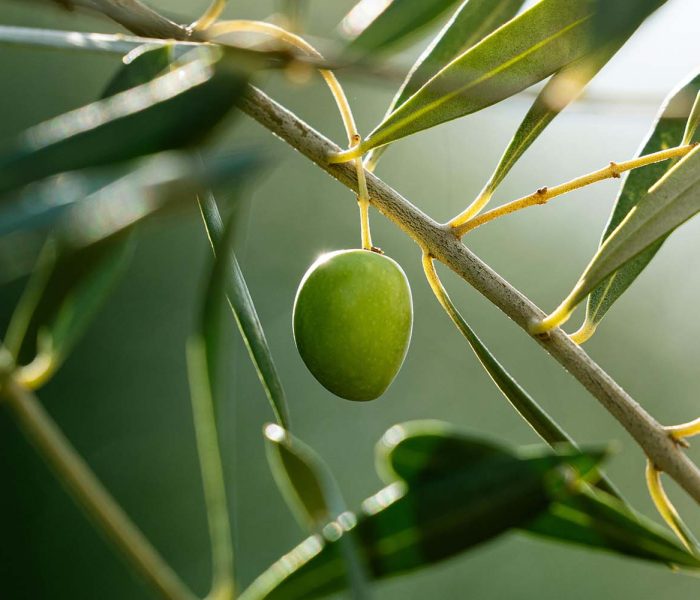
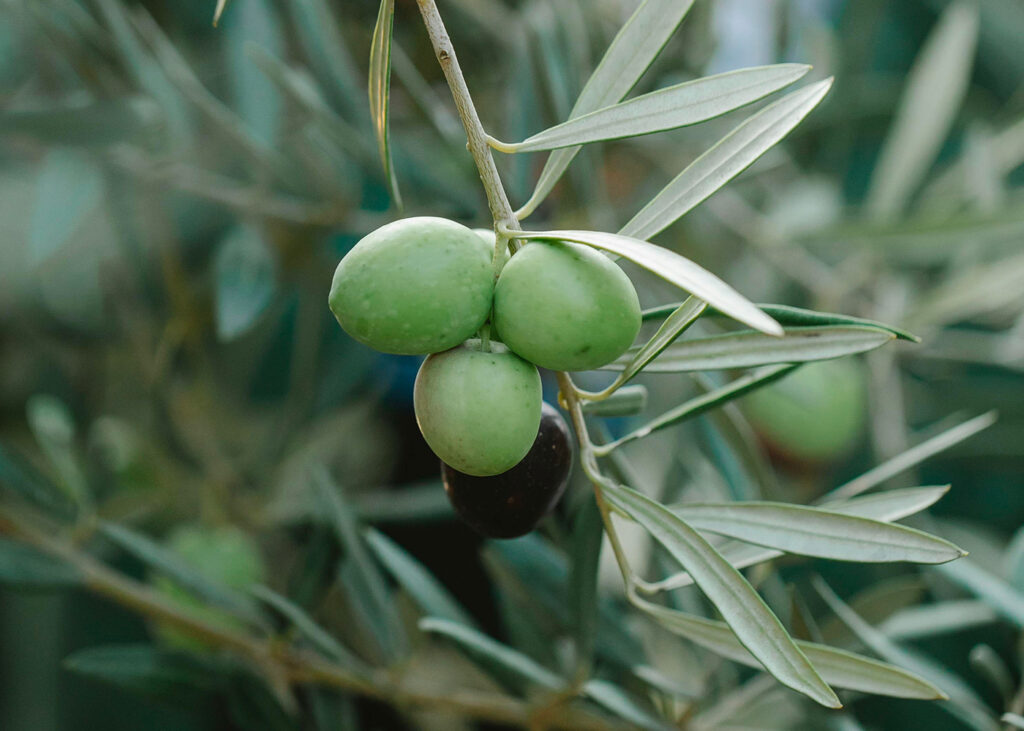
Leccino olive tree
Olea europaea 'Leccino'
Habit: Very vigorous evergreen; it can reach considerable heights. It is characterised by a drooping habit and a dense, well-branched canopy.
Leaves: Elliptical in shape. The upper surface is a lighter green than in many other varieties; the underside is paler.
Flowering: The flowers are small and white. Grouped in clusters, they are usually hermaphroditic: each flower bears both male and female reproductive organs.
Fruits: The fruits are drupes (fleshy fruits with a thin skin and a woody stone containing a single seed). Medium-sized and slightly elongated, they turn an intense black when fully ripe. Harvest takes place between October and November. They are used both for extra-virgin olive oil (considered balanced and harmonious) and as table olives.
Historical uses: The olive tree has an exceptionally rich history of uses across many fields. Since antiquity, olive oil has been a staple for food, cosmetics, lighting, and religious rites. In particular, oil was regarded as sacred and closely linked to spirituality; seen as a symbol of peace and worth, it was widely used in religious ceremonies, such as anointing in Christian sacraments.
Interesting facts: This Tuscan variety is among the most widespread in Italy and worldwide thanks to its high adaptability to different climates and soils. It is very resistant to cold and to several adversities (such as olive knot and peacock spot), but it is sensitive to the olive fruit fly. Leccino is partially self-fertile (able to self-pollinate), but yields improve markedly with cross-pollination; it is considered an excellent pollinator for many other varieties. In recent years, a further trait has made Leccino particularly valued and popular: its remarkable resistance to Xylella, a dangerous bacterial pathogen transmitted to plants by insect vectors. The main vector is the “spittlebug”, a small jumping hemipteran that builds a foamy sap nest to protect its eggs. This insect feeds on plant sap and its excretions consist largely of sap residues: it mixes liquid droppings with air, creating a nest with a characteristic foamy texture. Despite its “spit-like” appearance, it is in fact excrement emitted from the insect’s openings and “whipped up” like cream; as such, it can contain pathogens involved in disease transmission.
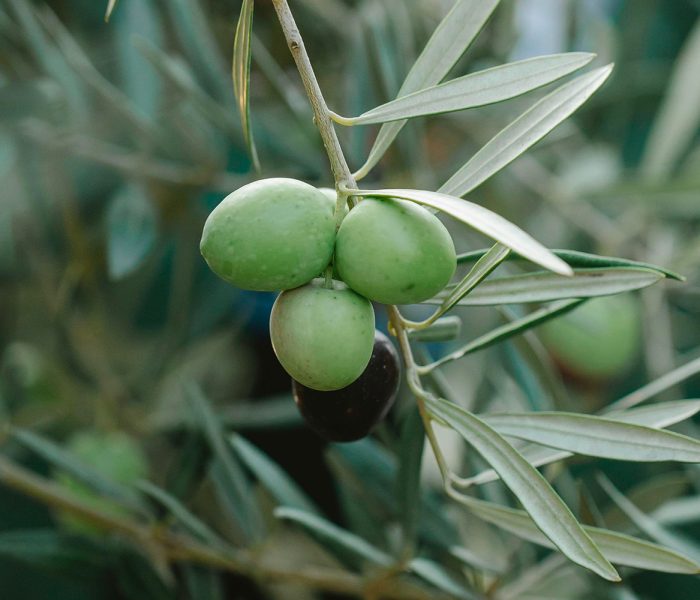
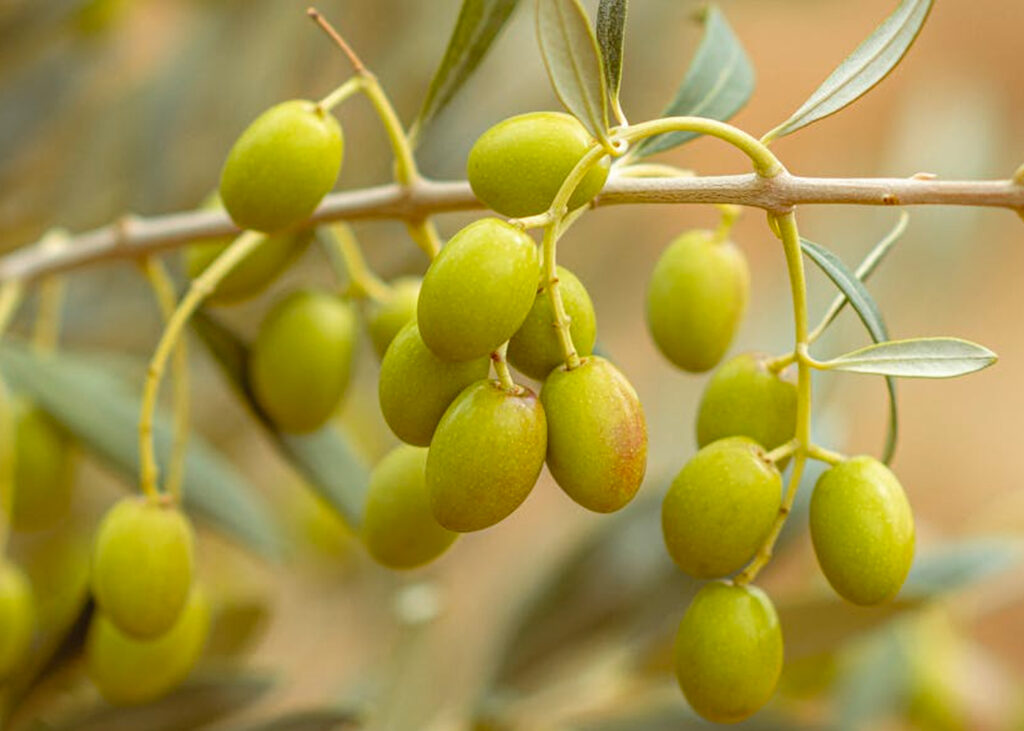
Olive tree (local variety)
Olea europaea var. locale
Scientific name: Olea europaea var. locale
The garden hosts an olive tree planted here several years ago, part of that intricate and fascinating mosaic of interwoven local varieties so common in Tuscany. This is not a system of uniform monocultures, but rather an agricultural landscape in which different cultivars coexist and support one another.
These and many other minor, native varieties not only ensure greater resilience of the olive-growing system against climatic challenges and pests, but also create the unique nuances that characterise Tuscan extra-virgin olive oil. Their “interwoven” presence – the traditional practice of planting different cultivars within the same grove – optimises cross-pollination, ensuring more stable, high-quality production.
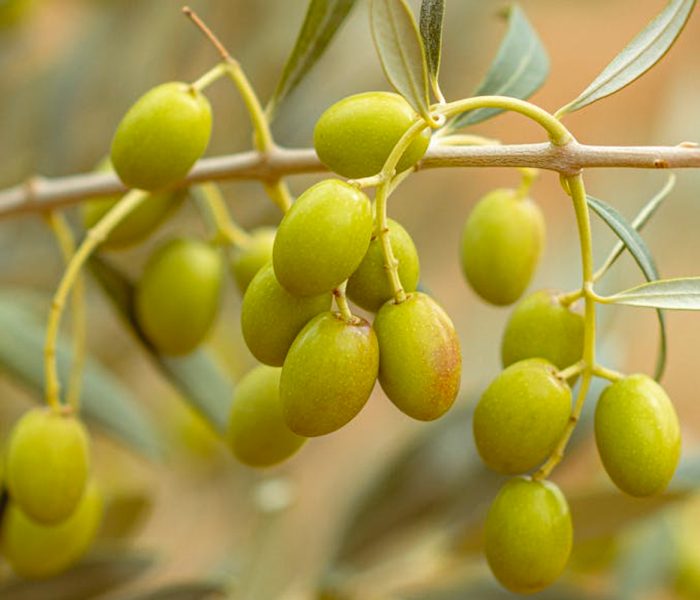
Moraiolo olive tree
Olea europaea 'Moraiolo'
Habit: Medium-sized, with a dense, rounded and fairly compact canopy and deep-green foliage.
Leaves: Oval, elongated and lanceolate. The upper surface is dark green; the underside is bright silvery-grey.
Flowering: Small, white flowers clustered in bunches. They are self-sterile (the pollen cannot fertilise the ovule of flowers on the same plant, nor those of other individuals of the same variety), so cross-pollination is required; pollinators from other varieties are therefore needed (Pendolino, Maurino, etc.).
Fruits: The fruits are drupes (fleshy fruits with a thin skin and a woody stone containing a single seed). Spherical, small and symmetrical, they ripen at the same time and are black-purple at full maturity. During harvest they resist detachment.
Historical uses: Typical of Central Italy, it is especially widespread in Tuscany, Umbria and the Marche. The history of Moraiolo is very ancient. The earliest traces date back to Roman times, as shown by archaeological finds in Umbria. However, it is likely that cultivation began much earlier, perhaps even in Etruscan times. Since antiquity it has been used raw to dress salads, vegetables and legumes.
Interesting facts: Its oil is highly appreciated for its intense, fruity taste; slightly bitter and peppery, it recalls artichoke and almond notes. It is particularly rich in polyphenols, powerful antioxidants with notable health benefits, including a reduced risk of cardiovascular disease and lower “bad” cholesterol. It is resistant to the olive fruit fly, tolerates cold, and thrives in temperate zones.
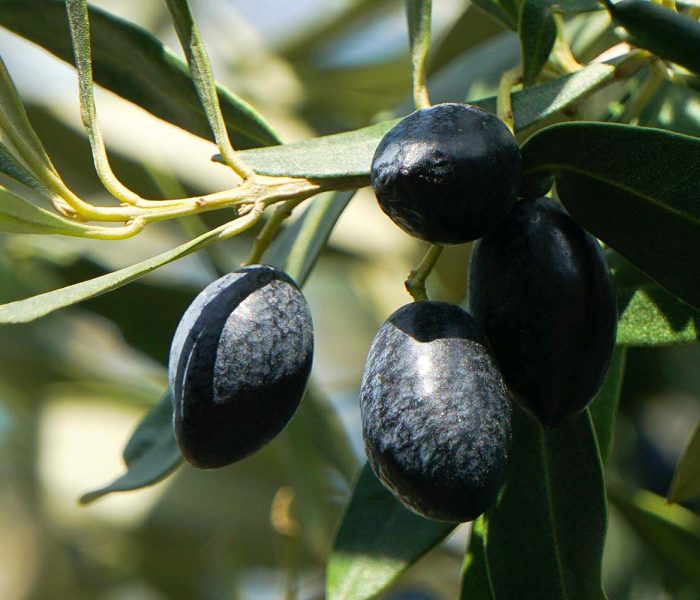
Pendolino olive tree
Olea europaea 'Pendolino'
Habit: Medium-sized evergreen, it can reach about 10 m. It owes its name to its distinctive habit: long branches are pendulous and droop downwards.
Leaves: The canopy is rounded and fairly dense. Narrow, long and lanceolate, the leaves are deep green on the upper surface and silvery-grey on the underside.
Flowering: Small white or cream flowers grouped in panicles. They are hermaphroditic (each flower bears both male and female reproductive organs) and self-sterile (the pollen cannot fertilise the ovule of flowers on the same plant, nor those of other individuals of the same variety), so cross-pollination is required; pollinators from other varieties are therefore needed (Leccino, Frantoio, Maurino, etc.).
Fruits: The fruits are drupes (fleshy fruits with a thin skin and a woody stone containing a single seed). Medium-small, oval and slightly elongated. When fully ripe they become dark, tending to black; they reach full maturity in late autumn.
Historical uses: A Tuscan variety, it probably originates from the Florence area. Although self-sterile, it is an excellent pollen producer. For this reason, it has historically been used as a pollinator for other olive varieties, such as Leccino and Frantoio. Its characteristic weeping habit has also made it popular as an ornamental plant for gardens and grounds.
Interesting facts: It grows slowly but is very long-lived: under optimal conditions it can reach 1,000 years. Hardy, it withstands drought and the olive fruit fly well, but it is quite sensitive to cold. The oil has a typical ripe-fruity profile; its aromatic flavour features notes of grass, almond and artichoke. It contains a good level of polyphenols, antioxidants that reduce cardiovascular risk and lower “bad” cholesterol.
Field elm
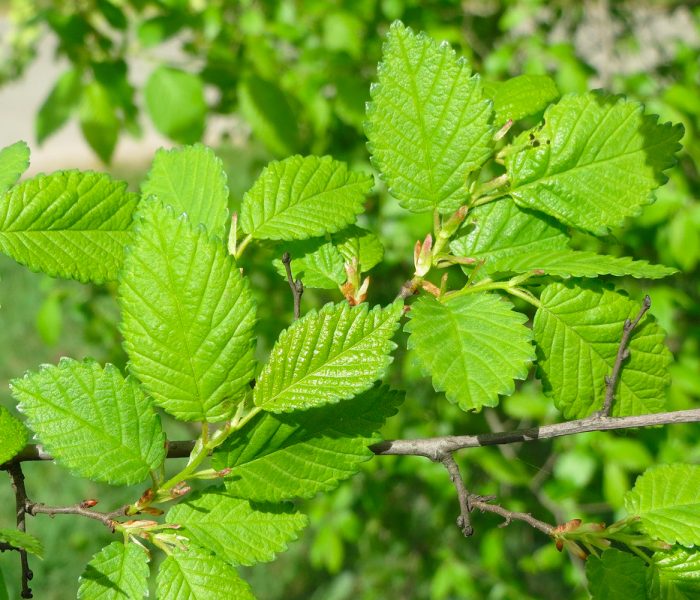
Ulmus minor
Habit: A medium-sized tree, reaching 20 to 30 m in height. Highly branched, with a pyramidal or rounded crown.
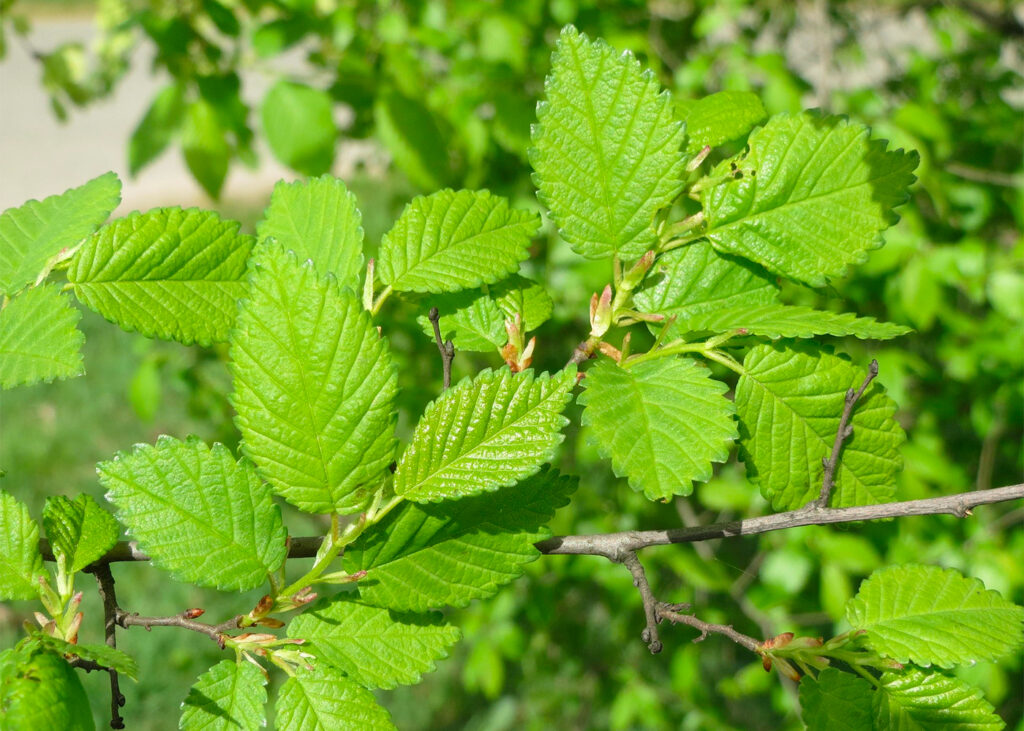
Leaves: Very distinctive due to the marked asymmetry at the base. Alternate, oval and tapered, with toothed margins. They are deciduous: they fall in autumn and renew in spring, when they are replaced by new leaves.
Flowering: The flowers are bright red, grouped in clusters and sessile (without a stalk, attached directly to the main stem). They bloom in late winter and are hermaphroditic: each flower bears both male and female reproductive organs.
Fruits: They develop into distinctive structures called samaras (dry, compressed and flattened fruits containing a single seed). Oval in shape, they are winged and about 1.5–2 cm long.
Historical uses: Together with mulberry and poplar, it was long one of the key elements of our agricultural landscapes. It was often used as a living support for grapevines: such associations are described by the expression “married vines” (viti maritate). At a young stage, the fruits (samaras) are known as “May beetle bread” and were once eaten in omelettes and salads.
Interesting facts: Field elm can host the caterpillars of some butterfly species, including saturnia moths. Very long-lived, it can exceed 600 years of age. In antiquity, it was believed that field elm leaves were a remedy for low mood, making it disappear entirely. Greeks and Romans considered elm “the tree of Morpheus”, son of the night and god of dreams.
Tea plant
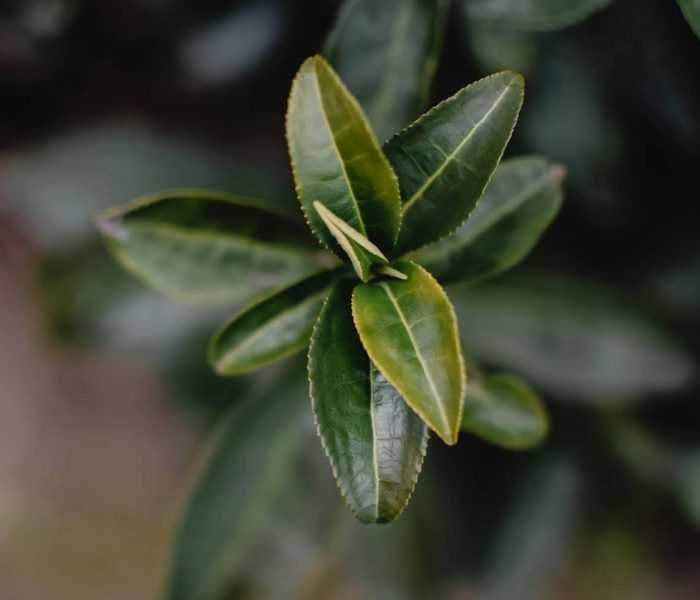
Camellia sinensis
Origin: Asia, especially China, as indicated by the scientific name (“Camellia” was assigned by Carl Linnaeus in recognition of the scientific contribution of the Jesuit George Joseph Kamel; “sinensis” refers to its Chinese origin).
Habit: An evergreen shrub with an upright, bushy habit. Modest in size, it can reach 2–3 m, but is often kept smaller through pruning.
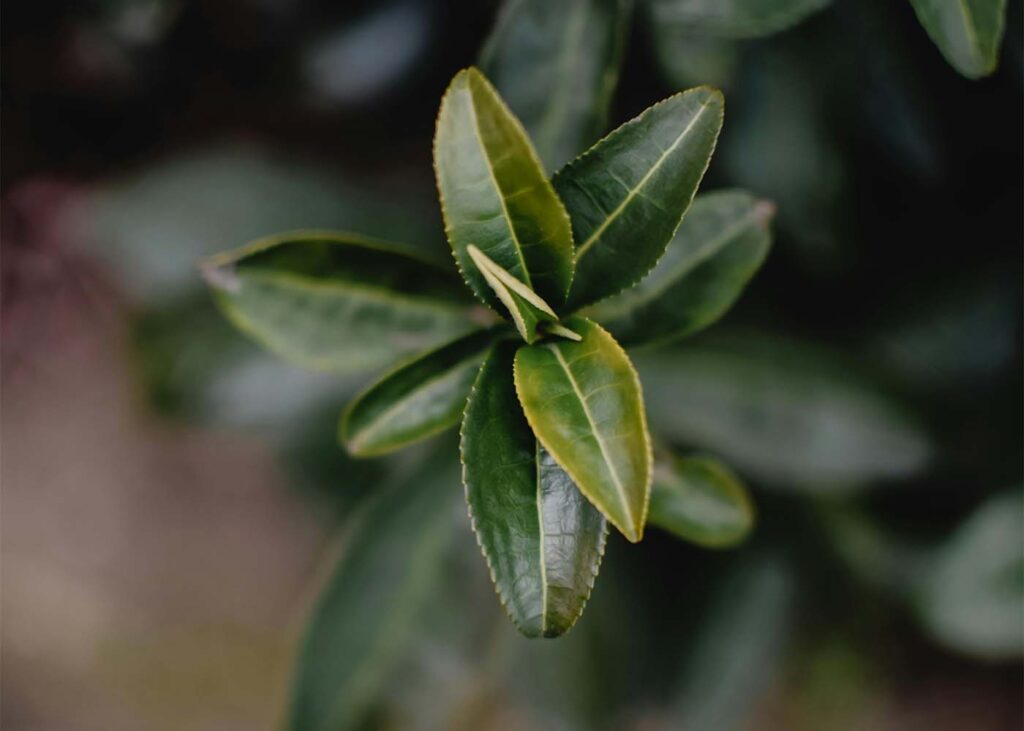
Leaves: Oval with an acute tip and serrated margins. They are 4–15 cm long and 2–5 cm wide. Each fresh leaf contains, on average, about 4% caffeine.
Flowering: Usually white, yellow or white-pink, the flowers are very fragrant. Composed of 7–8 petals, they are about 4 cm in diameter. They are usually hermaphroditic: each flower bears both male and female reproductive organs.
Fruits: The fruit is a small three-chambered capsule; each chamber contains one to three dark seeds, from which the plant can be propagated. It can be grown both in pots and in the ground, in acidic soils rich in organic matter and well drained.
Historical uses: The tea plant has an extremely rich history, with many varied uses since antiquity. Native to China, its cultivation originated there in the 3rd century BC. At first, tea was used mainly for medicinal purposes. Its culinary use is also noteworthy, added to soups and other dishes. Particularly interesting is its use as “currency” and as a trade commodity: pressed into bricks, or “nests”, the leaves were used as barter money, especially by the Chinese, who often used them to purchase horses in Tibet. Tea reached Europe in the 17th century, mainly through the Dutch and Portuguese, spreading at first among the wealthier classes for its many beneficial properties.
Interesting facts: According to a well-known legend, tea was discovered by chance by the Chinese Emperor Shennong (Chen Nung) in 2737 BC. The story says that, while the Emperor sat under a tree boiling water to make it safe to drink, a light breeze suddenly rose and caused leaves to fall into the boiling water, giving it a pale yellow colour and a particularly enticing fragrance. The Emperor drank the infusion, finding it delightful both in taste and in the sensations it gave his body. In cultivation the plant is kept artificially as a shrub to facilitate leaf harvesting; by contrast, in nature it can grow to the size of a tree, reaching even 15 m.
herbs in the flowerbed: summer savory (“pepper herb”) and rosemary
Summer savory, also known as “pepper herb” (Satureja hortensis), is an annual herbaceous plant. Native to the Mediterranean, it belongs to the Lamiaceae (mint) family, which includes aromatic species such as sage, thyme, mint and rosemary. It grows up to 35 cm tall and often has a bushy habit. The leaves are small, fleshy and glossy, light green in colour, and rich in essential oils used in herbal medicine and phytotherapy. It is considered helpful for intestinal, kidney and respiratory issues. The common name (“pepper herb”) comes from the typical flavour of the leaves and their traditional use: similar to pepper but more delicate, it is often used as a substitute. It is well suited to dishes with eggs, fish, cheese, meat and legumes. In the vegetable garden, its strong scent helps keep aphids away from nearby plants.
The prostrate rosemary (Salvia rosmarinus ‘Prostratus’) present here is a rosemary variety with a creeping or groundcover habit. Unlike the upright form, it stays low, spreading along the ground or cascading over walls. It belongs to the Lamiaceae family and, like common rosemary, is typical of the Mediterranean Basin, preferring sunny, well-drained environments, often near cliffs or rocky slopes. The leaves are narrow and needle-like (2–3 cm), dark green on the upper surface and silvery-white on the underside. The flowers, in spikes of light blue or lilac, appear from spring to late summer and are hermaphroditic: each flower bears both male and female reproductive organs. These small flowers attract many pollinating insects. Prostrate rosemary retains the same beneficial properties as the upright variety: it is antiseptic, soothing, diuretic, strengthening and tonic, and is used as a natural remedy for asthma, fatigue, high cholesterol, memory disorders, and more.
Black pizzutello
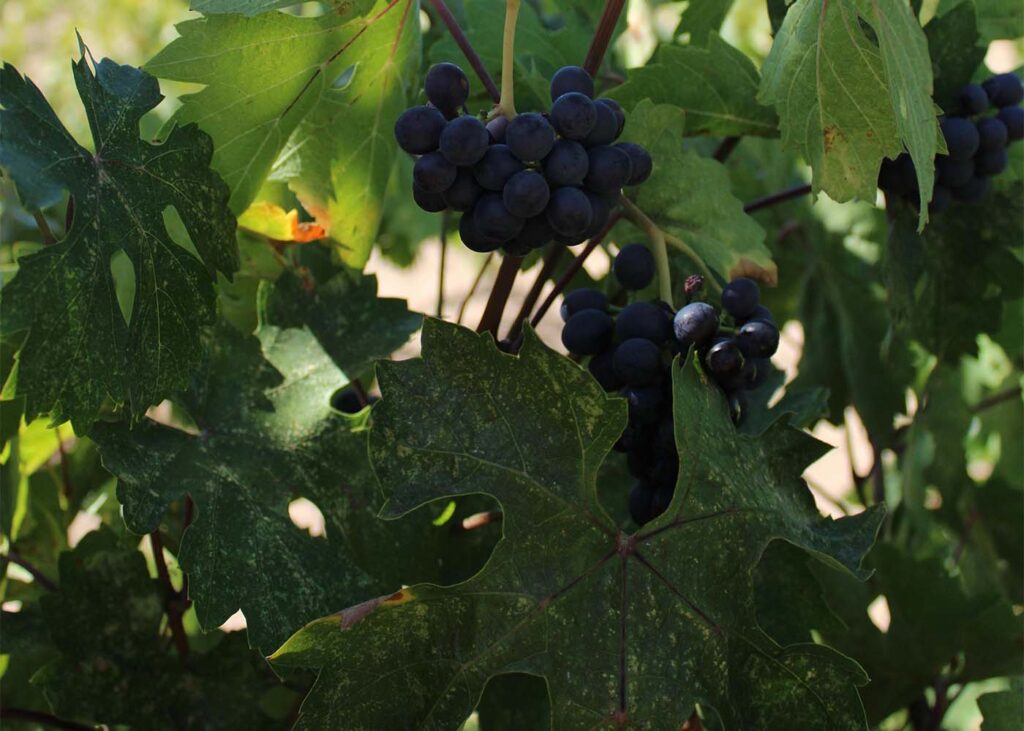
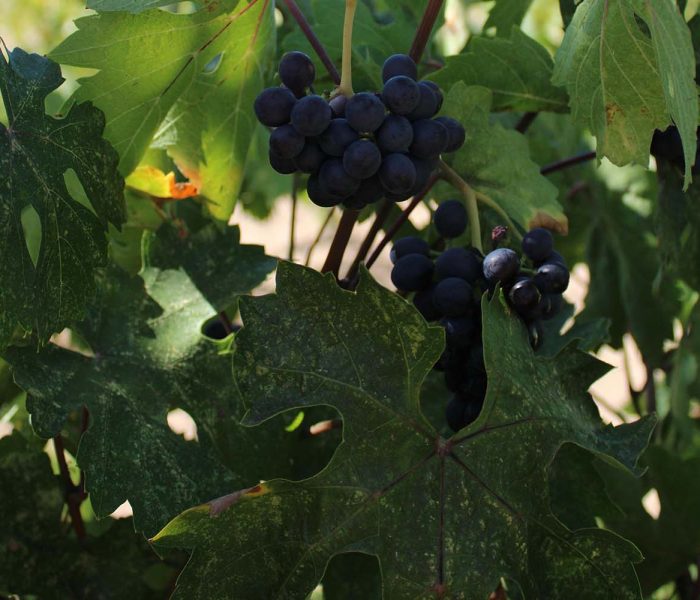
Vitis vinifera var. Pizzutello nero
Habit: A woody, shrubby vine with long, flexible shoots. Climbing and very long-lived, with a vigorous habit.
Leaves: Large, palmate leaves with toothed edges. They are deciduous: they fall in autumn and renew in spring, when they are replaced by new leaves. Deep green in colour; intensity varies with sun exposure.
Flowering: The flowers are white-cream, small and hermaphroditic: each flower bears both male and female reproductive organs. They appear in spring; pollination mainly occurs via pollinating insects (entomophily).
Fruits: The fruits, gathered in clusters, are berries (fleshy fruits without a stone, generally containing several seeds). Oval, pointed and elongated, they may be white, yellow, black-bluish or rosé. They ripen from late September to mid-October.
Historical uses: A very ancient variety, black Pizzutello is mentioned by Pliny and was already known in Roman times, where it featured prominently at noble banquets, as shown by numerous frescoes and mosaics. Its elegance makes it ideal as a decorative plant: it is widely used ornamentally to embellish pergolas and verandas, providing shade and splendid hanging bunches.
Interesting facts: Of uncertain origin, it most likely has Arab or Syrian roots and was probably introduced to Europe with Arab incursions. The name “pizzutello” refers to the typical pointed, elongated shape of the berries, resembling small “pizzuti”, or pointed noses. It also plays an important role in folk tradition: in the past, hanging a bunch in the kitchen was believed to bring good luck for winter and abundance.
Black elder
Sambucus nigra
Habit: A shrub or small tree, reaching 7–10 m in height.
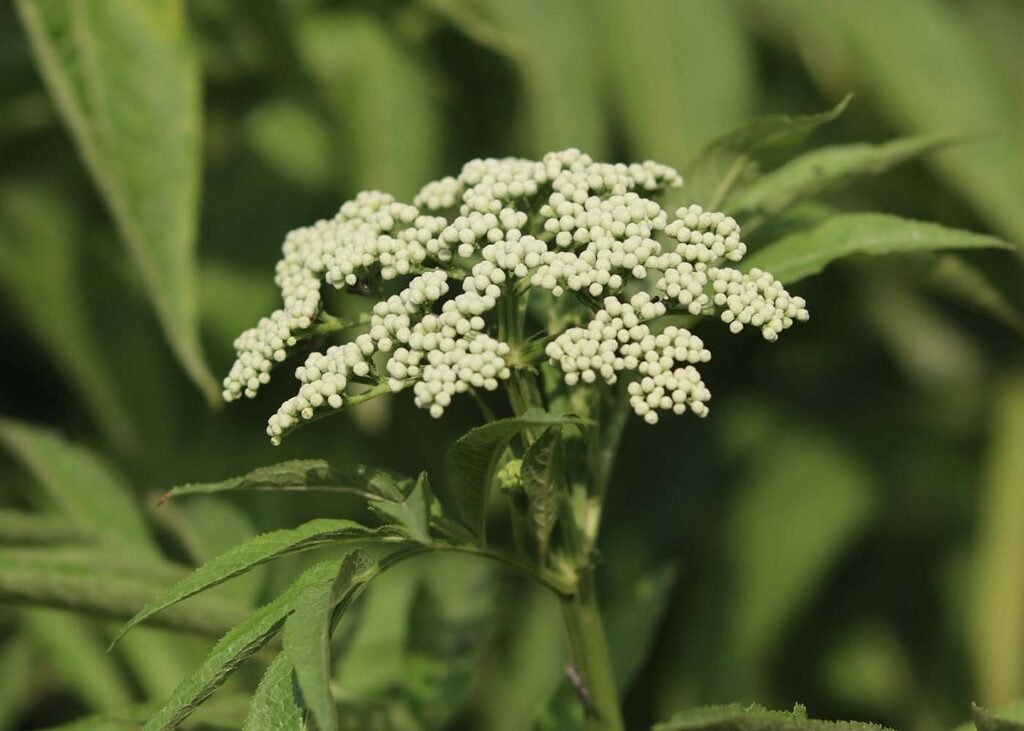
Leaves: Opposite and 10–30 cm long, they are deciduous: they fall in autumn and renew in spring, when they are replaced by new leaves. Bright green, they are compound leaves made up of five oval to lanceolate leaflets, with serrated or toothed margins and an acuminate tip.
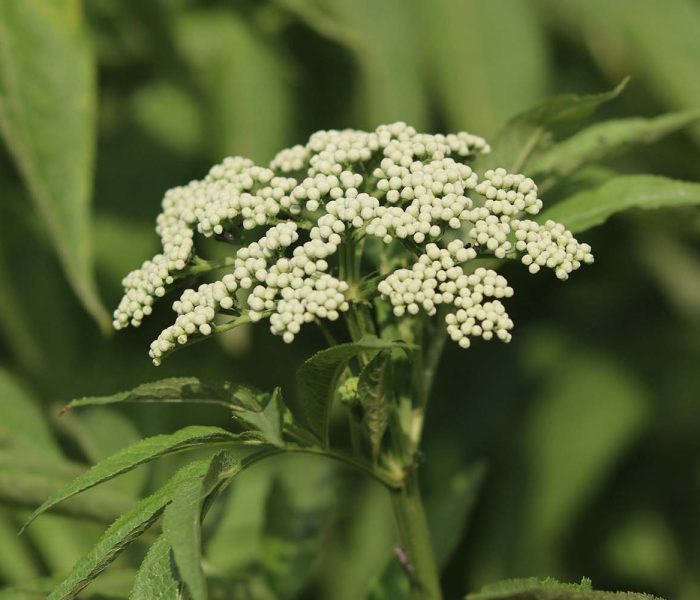
Flowering: The flowers form inflorescences (clusters of flowers arranged so as to appear as a single unit). Small, white or ivory, they are umbrella-shaped and can reach up to 20 cm across. Highly fragrant, they are hermaphroditic: each flower bears both male and female reproductive organs.
Fruits: The fruits are drupes (fleshy fruits with a thin skin and a woody stone containing a single seed). Spherical, they are green at first and become black-purple as they ripen. They are eaten by many birds (including the Eurasian blackcap), which disperse the seeds and propagate the plant.
Historical uses: In the past it was considered a magical, protective plant, often associated with benevolent deities and spirits. For this reason, it was common to plant it near houses to ward off disease and evil spirits. In folk tradition, elder was widely used for amulets, prophecies and rituals, such as protecting livestock or predicting the sex of unborn children.
Interesting facts: The name “sambuco” derives from the Greek sambuke, an ancient stringed instrument made in ancient Greece from the wood of this plant. In the Middle Ages, the term “sambuca” referred to various wind instruments. In the past, children used its hollow stems to make whistles and blowpipes. Its symbolism has two sides: Christian tradition linked it to funerary rites and used it as comfort for the passage to the afterlife; in Greco-Roman tradition it was seen as an effective protector of houses, courtyards and domestic animals.