The History of the Church
The first mention of the Church of Sant’Angelo at Metelliano appears in a document from 1014 issued by Emperor Henry II: the building is listed among the holdings of Farneta Abbey.
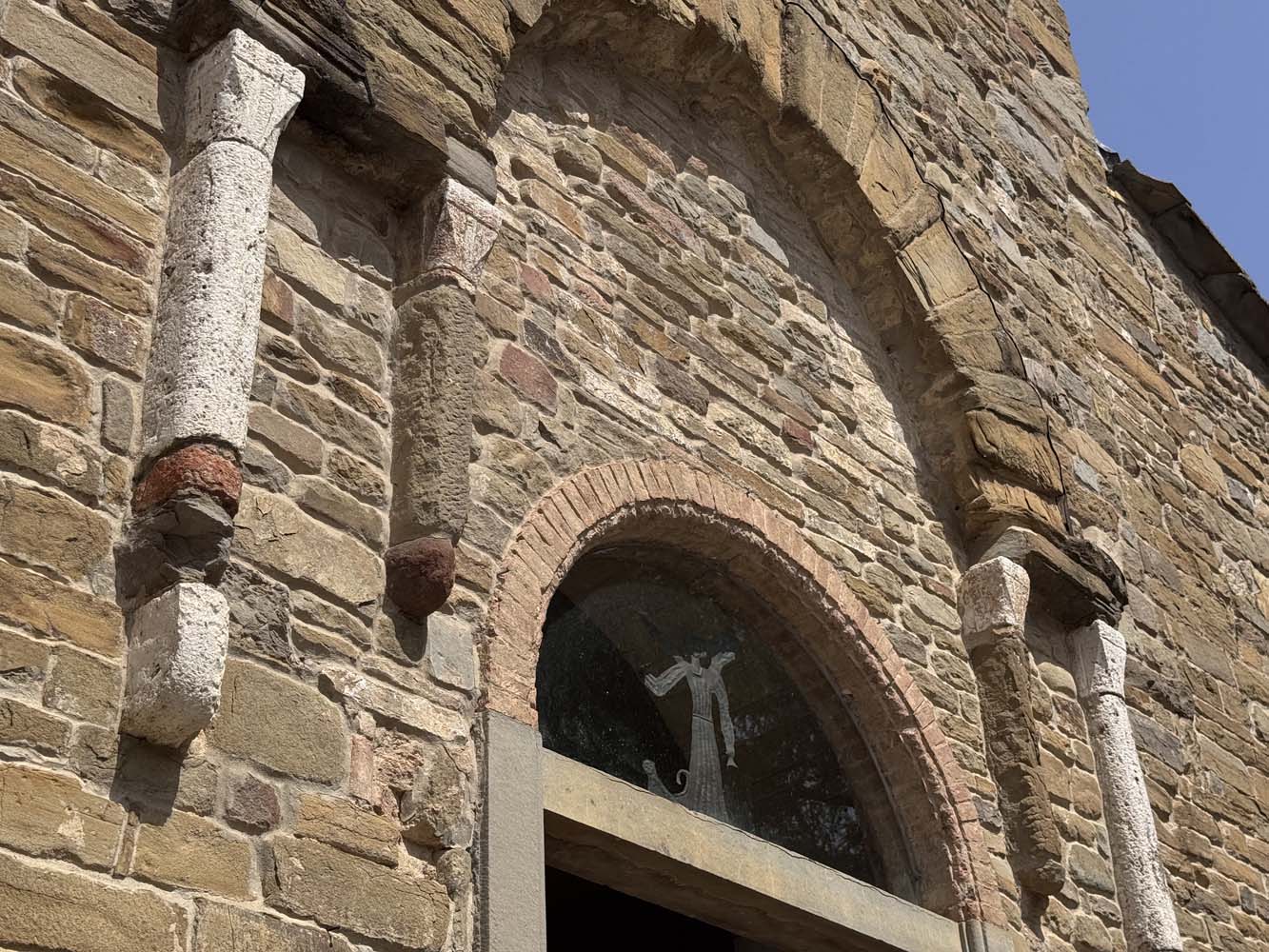
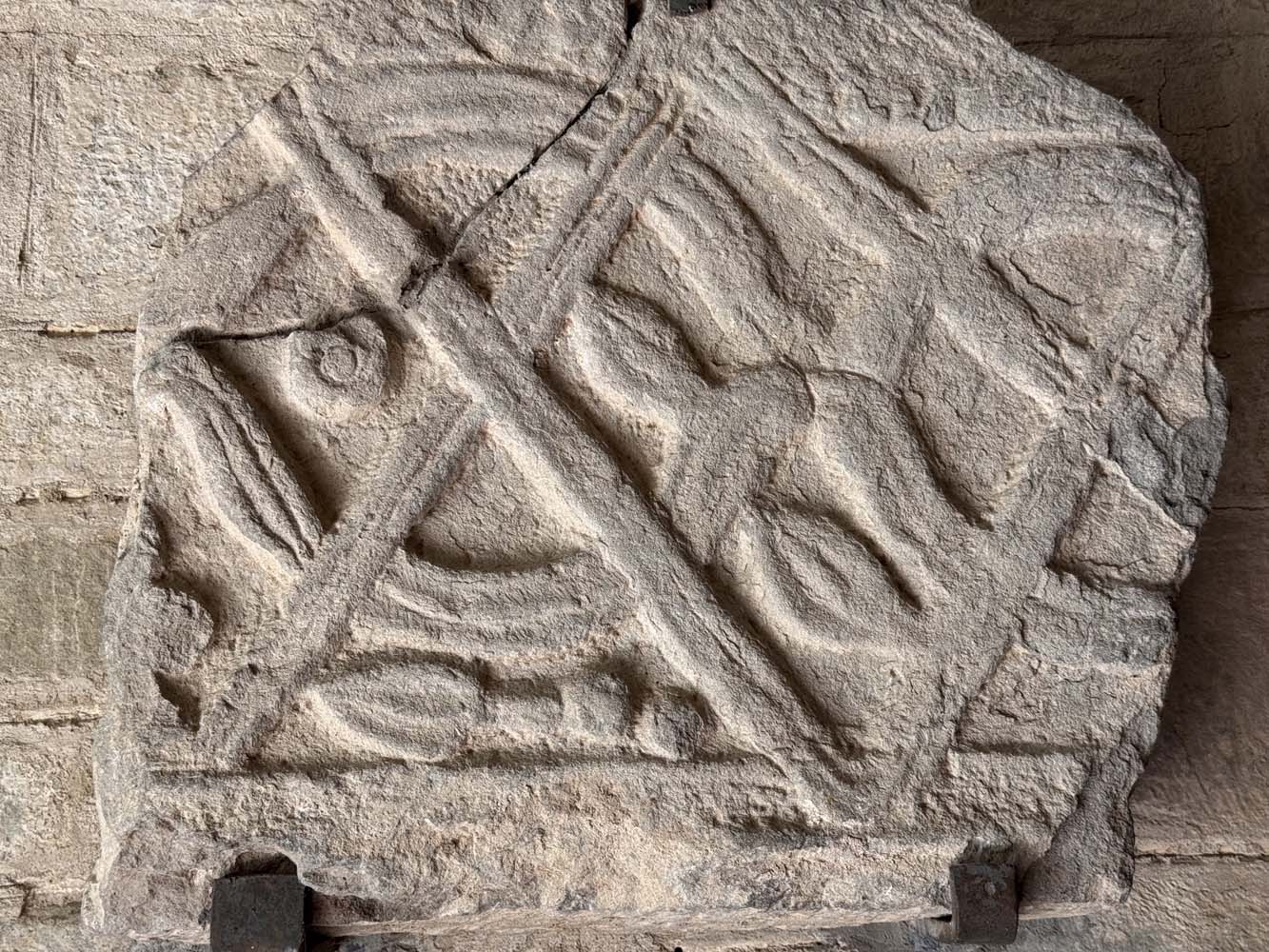
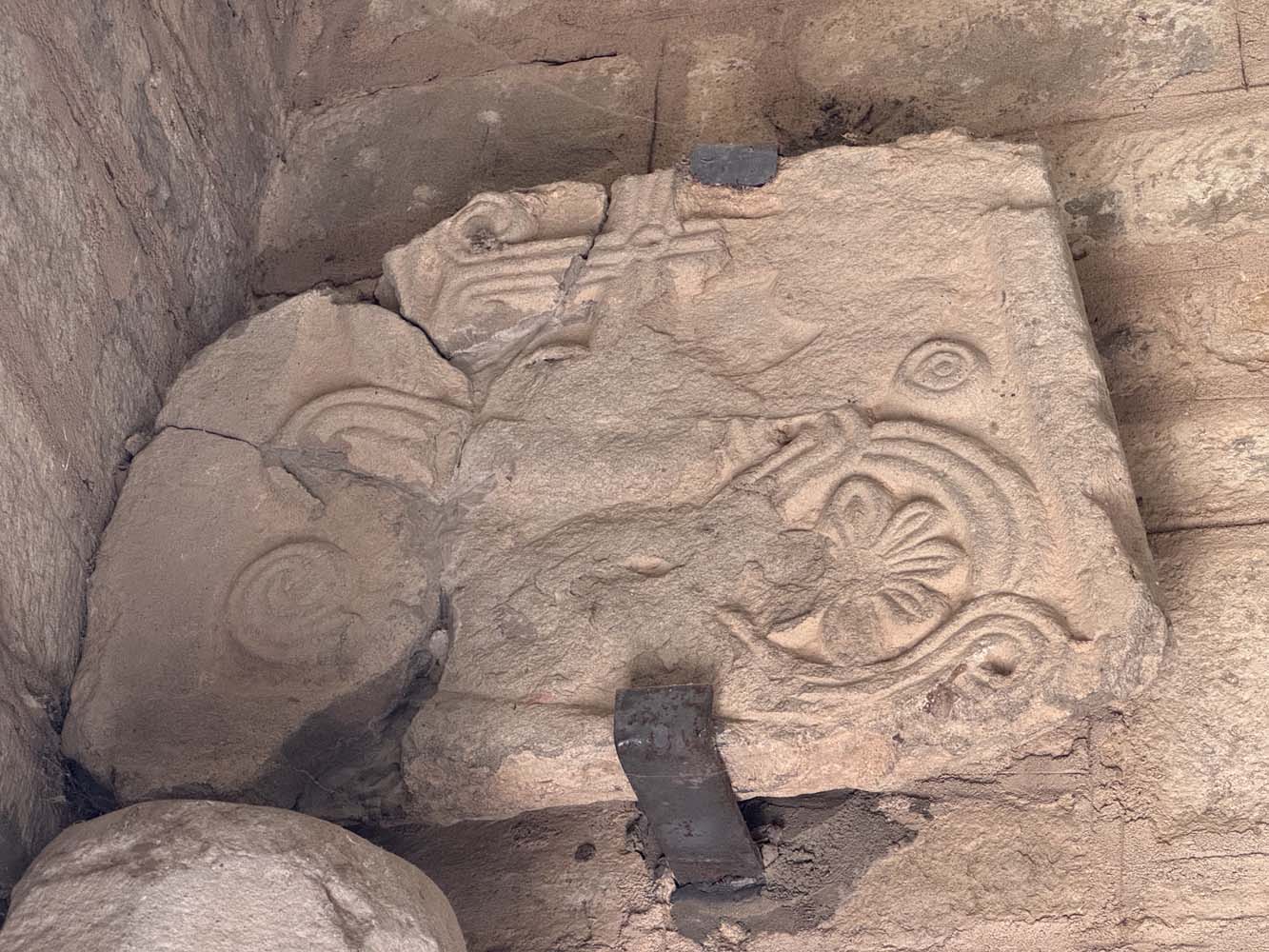
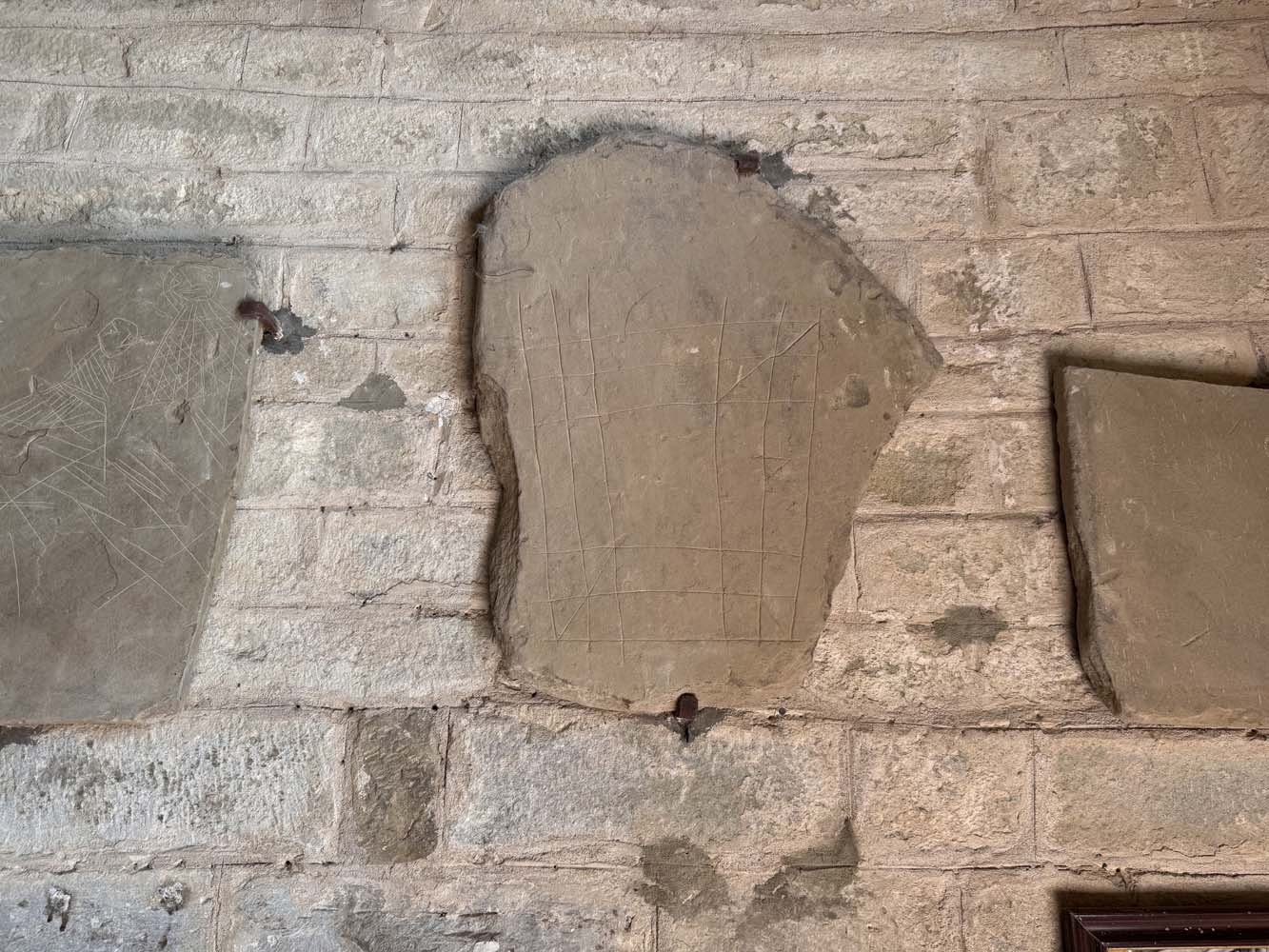
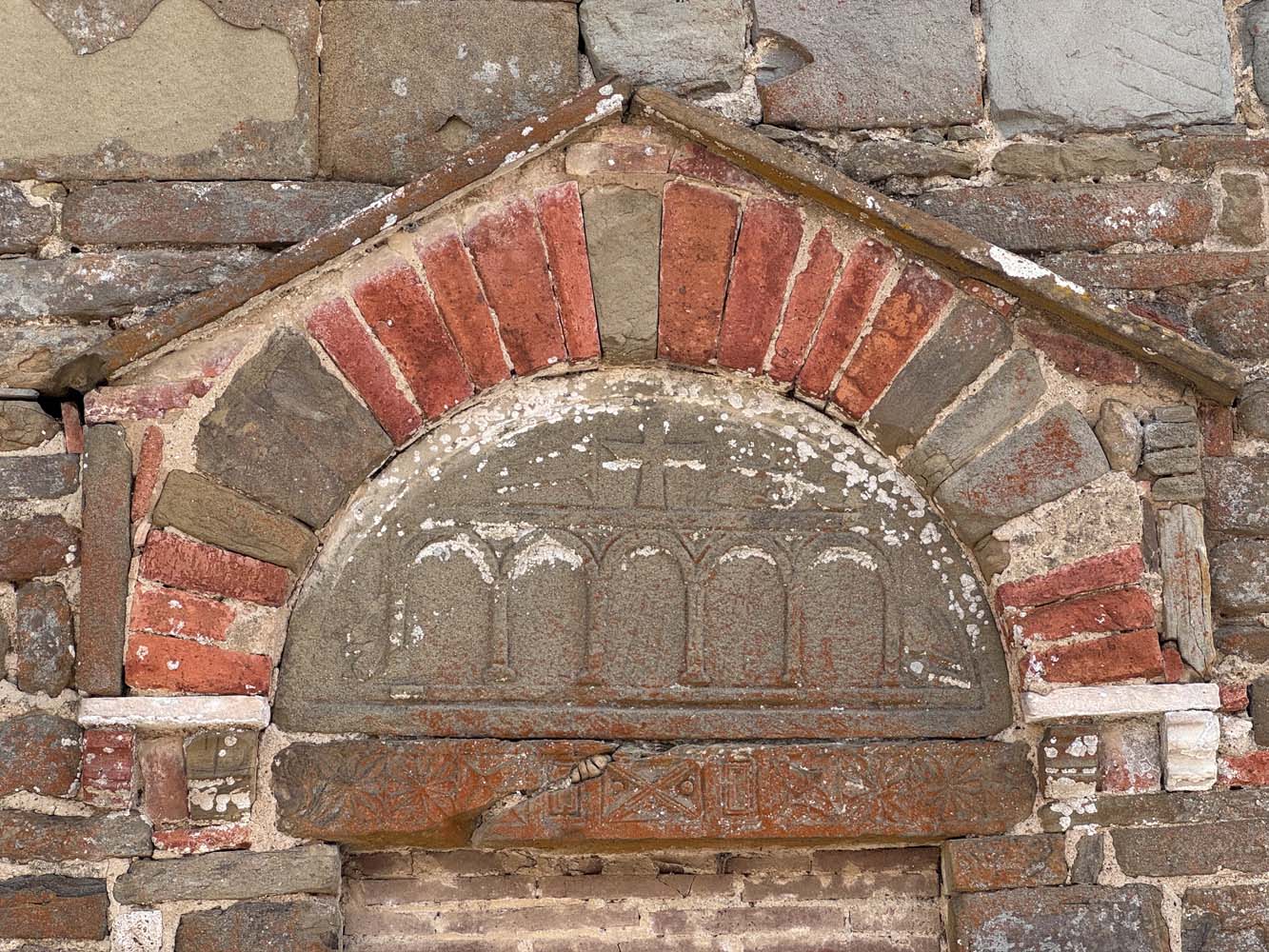
The church’s present appearance reflects numerous rounds of restoration and rebuilding. Its construction, in the form we know today, dates to the first half of the 11th century and is likely the work of the Arezzo architect Maginardo. He created a Romanesque-Byzantine structure while preserving several elements of the earlier layout. At the time of this construction, a sacred building must already have stood on the site: a Lombard church (7th-8th century CE), which was itself built over a pagan temple, perhaps dedicated to Bacchus “Succhio”. It is also probable that between these two earlier phases (temple and Lombard church) there was a very early church from the late 4th-early 5th century, reflecting an early-Christian phase of Arian worship. Evidence of these early phases includes sculptural fragments discovered in 1960 beneath the church floor – now displayed at the entrance – as well as the lunettes decorating the exterior of the side doorways, which are today walled up.
The dedication of the complex to Saint Michael the Archangel dates to the Lombard period: within this Germanic people’s culture (they entered Italy in the 6th century CE), the Michaelic cult enjoyed particular growth and accompanied their conversion to Catholicism.
Insights
Jean Baptiste Roynel (1709-1774)
We know little about this member of the Cortonese Botanical Academy, beyond what is carved on the epitaph for his burial at Sant’Angelo and what has more recently been researched by Don Bruno Frescucci.
Both the membership certificate of the Botanical Academy of Cortona and the funerary inscription describe him as an expert in botany, medicine, and mechanics; yet nothing remains today of the research and studies he is said to have carried out. We do know that he was born in Dieppe, France, in 1709, and that, after serving as a soldier under Louis XV, King of France, and other European monarchs, he retired at the age of forty to the territory of Cortona.
There he became a hermit, obtaining from the Venuti family the hermitage of Martignone, located between Sant’Angelo and Teccognano. At his death, his will testified not only to his love for his family of origin, but also to his care for the parish of Sant’Angelo, to which he bequeathed an annual sum as the dowry of a poor girl.
Mattia Moneti (Cortona 1687 - Sant’Angelo 1758)
Ordained a priest in 1711, in 1735 Moneti became parish priest of Sant’Angelo in Metelliano, where he died in 1758 and where a plaque still commemorates his qualities as a clergyman and botanist.
However, we might know little more about him were it not for the fact that the library of the Municipality and the Etruscan Academy of Cortona has preserved his Herbarium: three handwritten volumes containing images of wild plants, painted and arranged by him.
It seems that Moneti’s passion for botany arose from his search for a plant that a doctor had prescribed to treat an illness. In the Enlightenment century, this “botany-loving priest” did not forget to indicate public usefulness among the aims of his work, presenting his Herbarium as a scientific tool that would help eradicate ignorance and expose impostors who offered paid remedies.